09/09/2026
Custom-Made Suits in Troyes
Don't miss the new Blandin & Delloye boutique, which will soon open its doors in Troyes: custom-made suits and a…
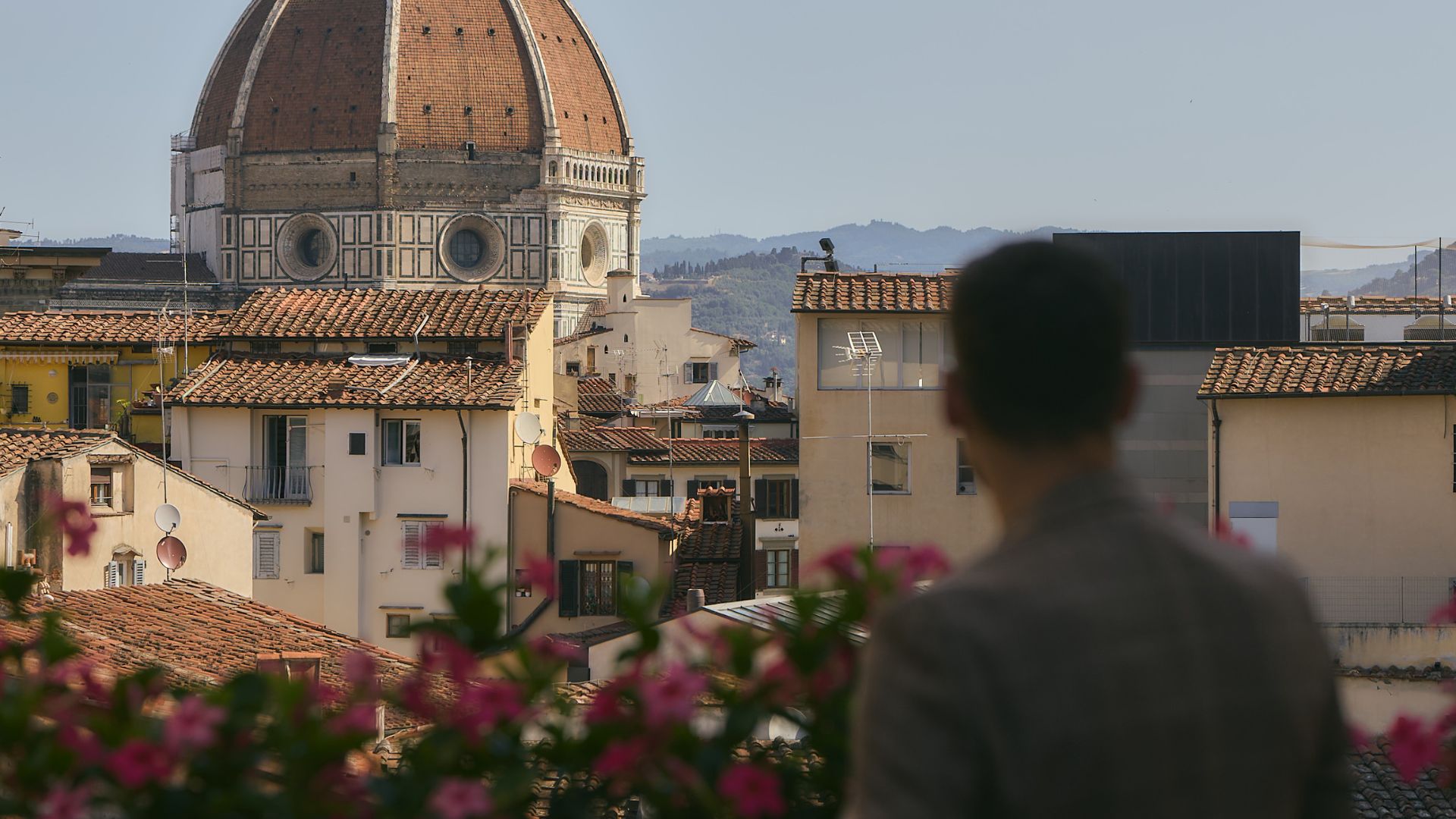
Florence, 32 degrees, 11 a.m.
The light is already harsh, the heat well established, and yet, on the aisles of Pitti Uomo, nothing seems slapdash.
The silhouettes are light, yes. But never sloppy.
That’s probably where I best understood what summer elegance really is: not a matter of pieces, but a matter of mastery within constraints.
Because dressing when everything is easy is nothing interesting.
Dressing when it’s 30 degrees—that’s when everything shows.
In the summer, we’re all looking for the same thing: to breathe. And very quickly, comfort takes over. We lighten up, we simplify… then we slowly slip into outfits that no longer say anything.
A T-shirt that’s too thin, Bermuda shorts without a matching top, haphazard shoes. The problem isn’t comfort. It’s the lack of intention.
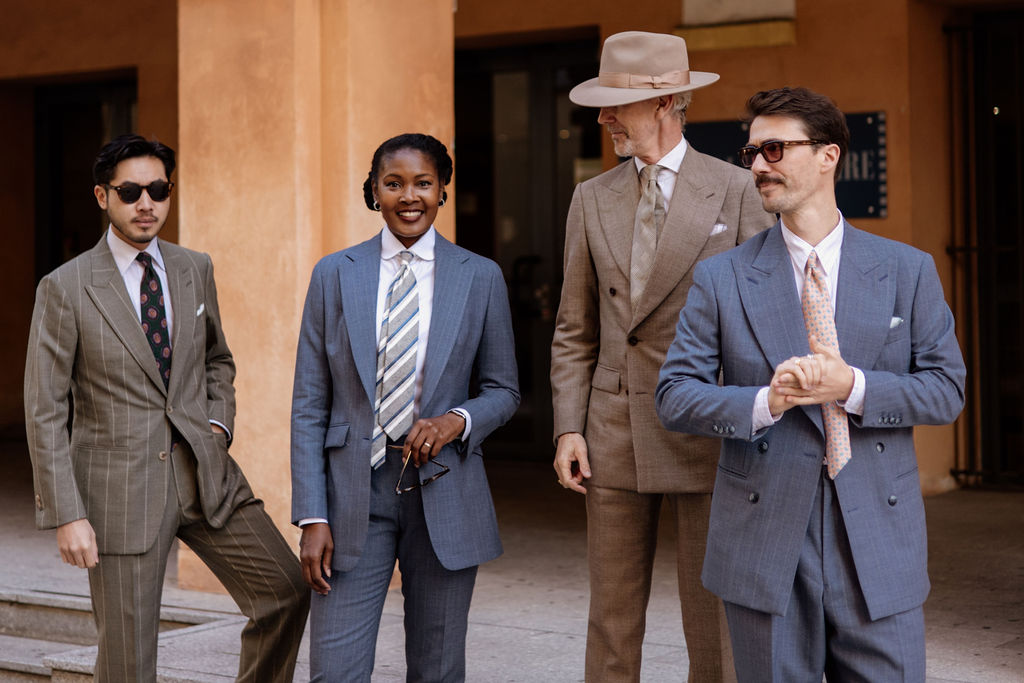
In Florence, even in the heat, there’s always a line, a silhouette. Something that holds it together.
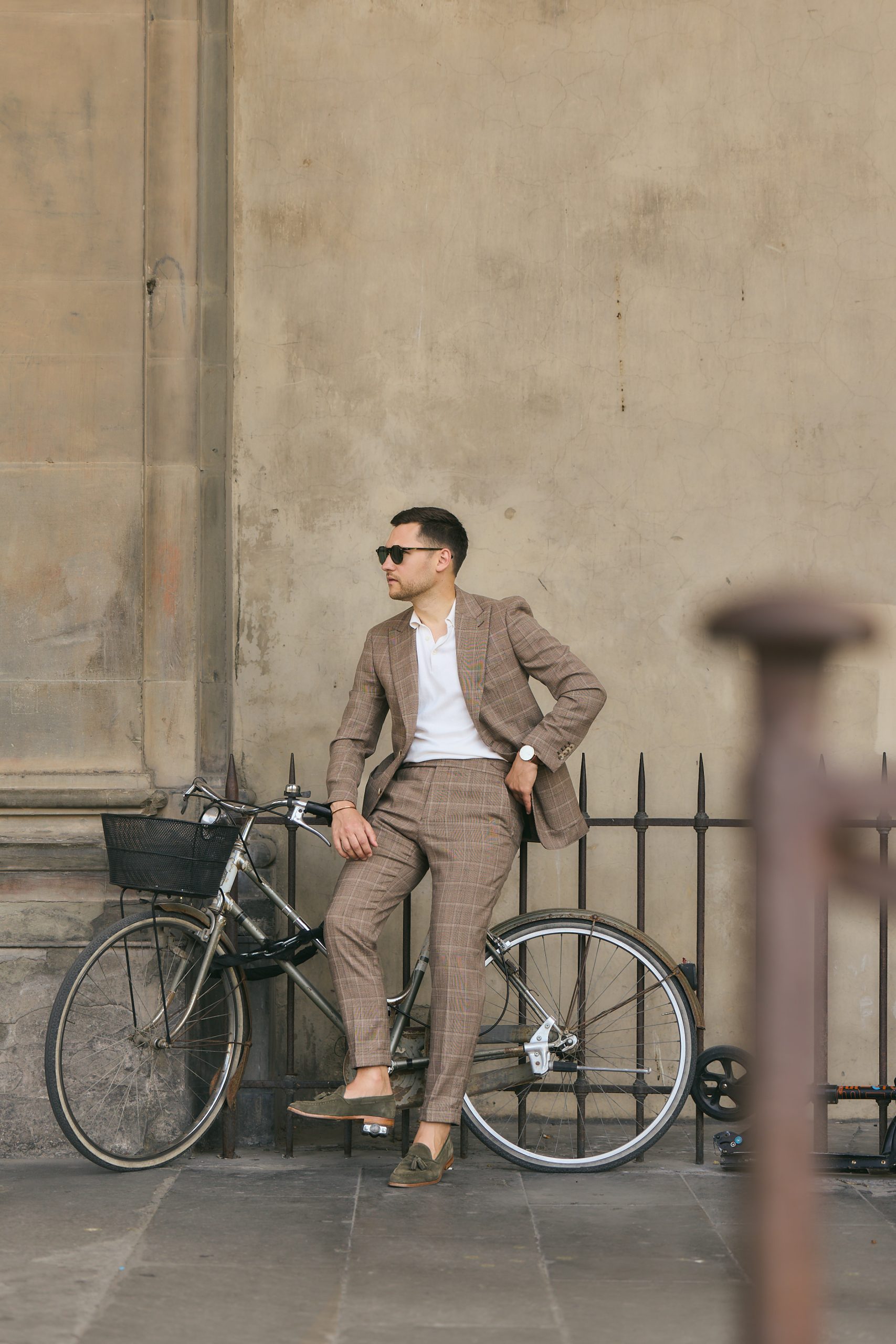
What stands out isn’t the eccentricity. It’s the coherence.
Italians don’t necessarily wear more pieces. But they wear the right ones. A few constants I notice every year:
Nothing complicated, but nothing is left to chance.
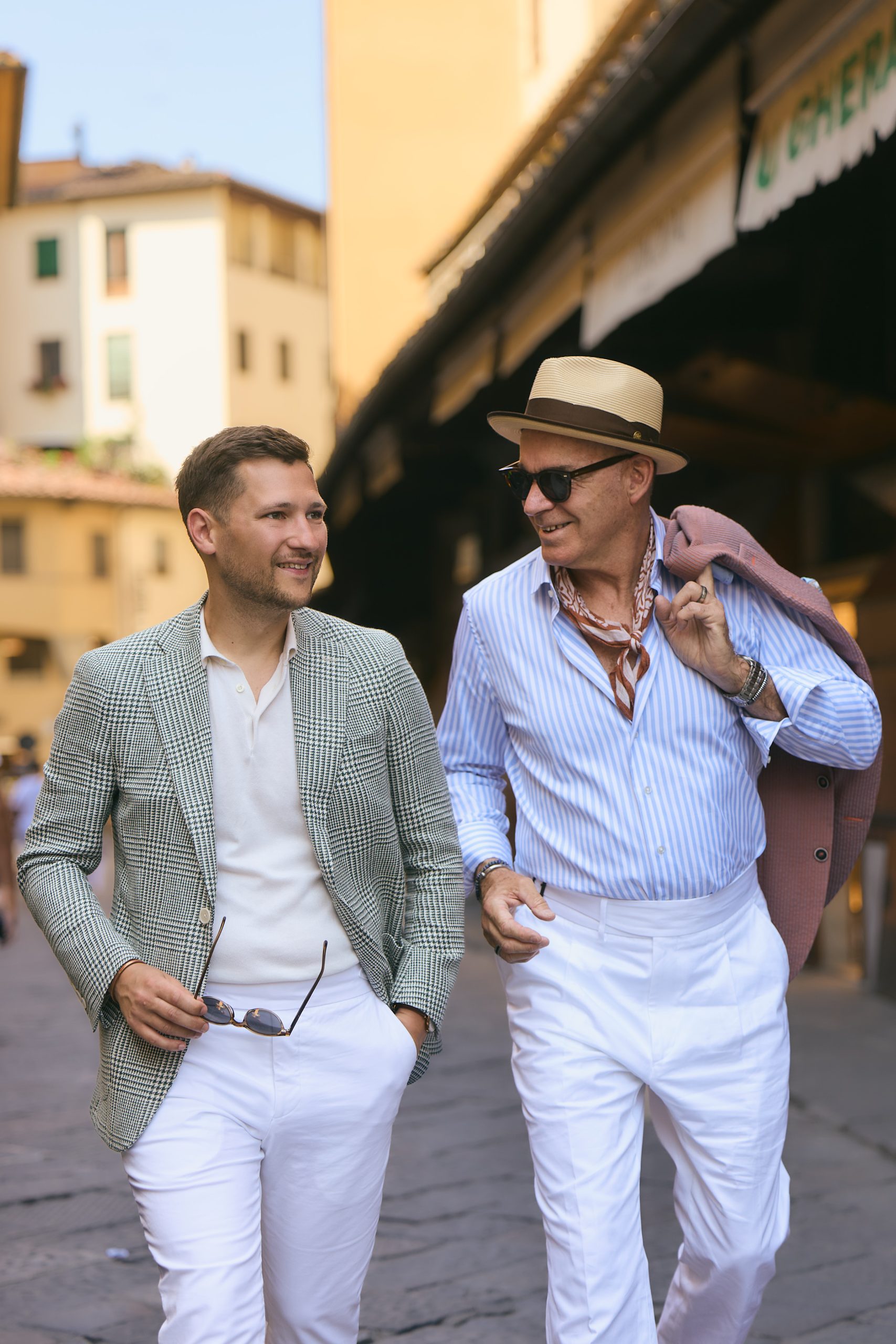
This is where it all comes down to: when you remove layers, you also remove structural elements, so you have to recreate them in a different way.
A very concrete example I often use:
Three pieces: a complete look. You’re light, but you’re not sloppy.
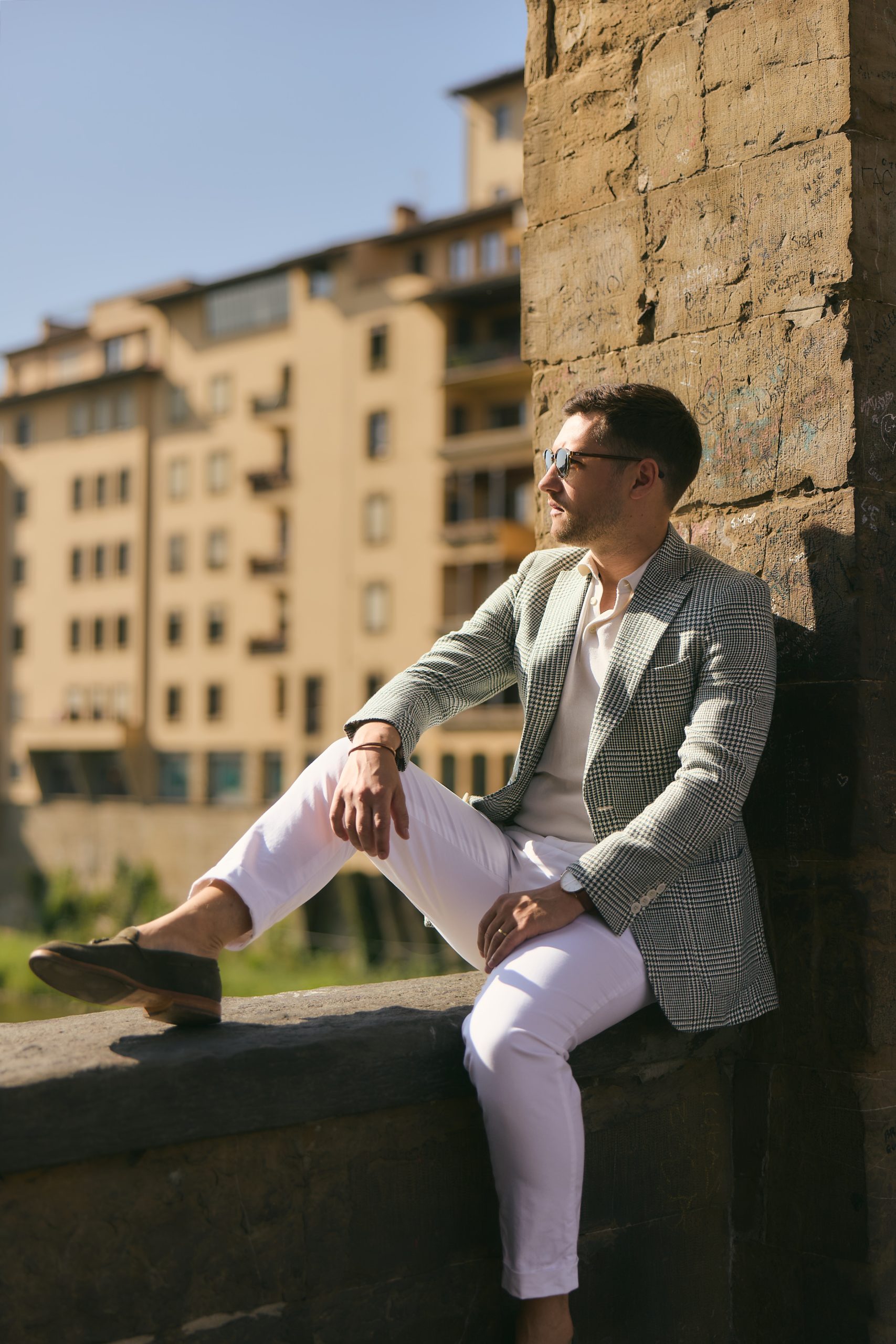
We often talk about fabrics, but colors play a huge role.
Light colors aren’t just about aesthetics. They reflect light, retain less heat, and above all, they create clarity: sky blue, white, beige.
Then, you add structure with:
This subtle contrast avoids the “flat” look we often see in the summer.
This is often where the outfit comes together. A great summer outfit with the wrong shoes immediately looks off. Conversely, a well-chosen pair is sometimes all it takes to pull the whole look together.
The two best options:
The idea remains the same: be comfortable, without ever looking sloppy. What this actually changes
When you master these elements, something simple happens:
You’re no longer “dressing for the heat.” You’re dressing in spite of the heat. And that changes everything: your outfit remains clear and so does your posture.
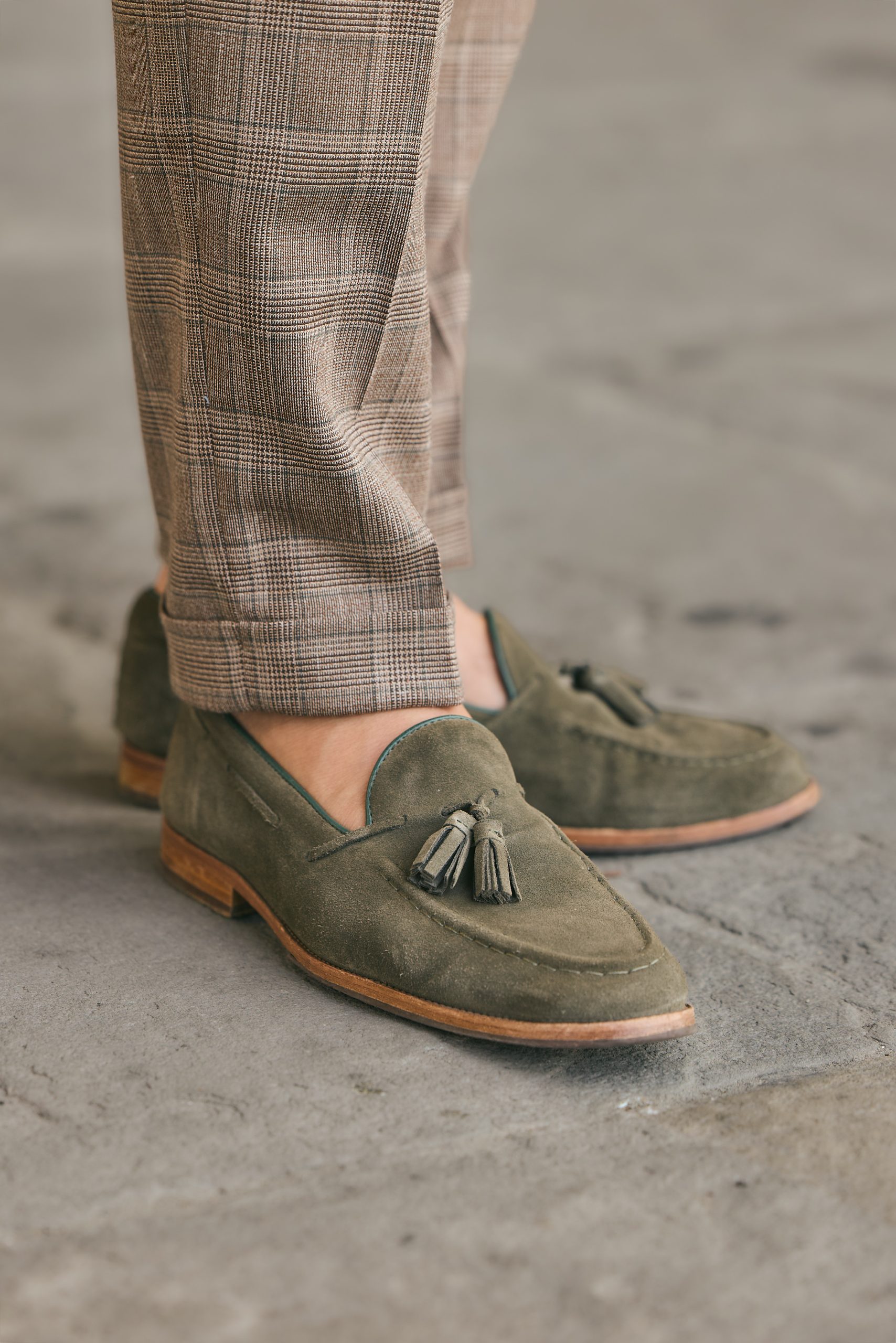
No need to copy an entire outfit.
Start by incorporating a statement piece:
And build around it The rest will fall into place naturally.
Summer elegance isn’t a watered-down version of your style. It’s a more demanding version. Fewer layers, more precision. Less flair, more intention.
And that’s often where the difference lies.
At Blandin & Delloye, this philosophy comes into its own in our summer pieces: breathable yet structured fabrics, cuts designed to stay sharp even in the heat, and bespoke tailoring that allows for precise adjustment of that balance between comfort and fit.
Photographer: @francalderonoficial