09/09/2026
Custom-Made Suits in Troyes
Don't miss the new Blandin & Delloye boutique, which will soon open its doors in Troyes: custom-made suits and a…
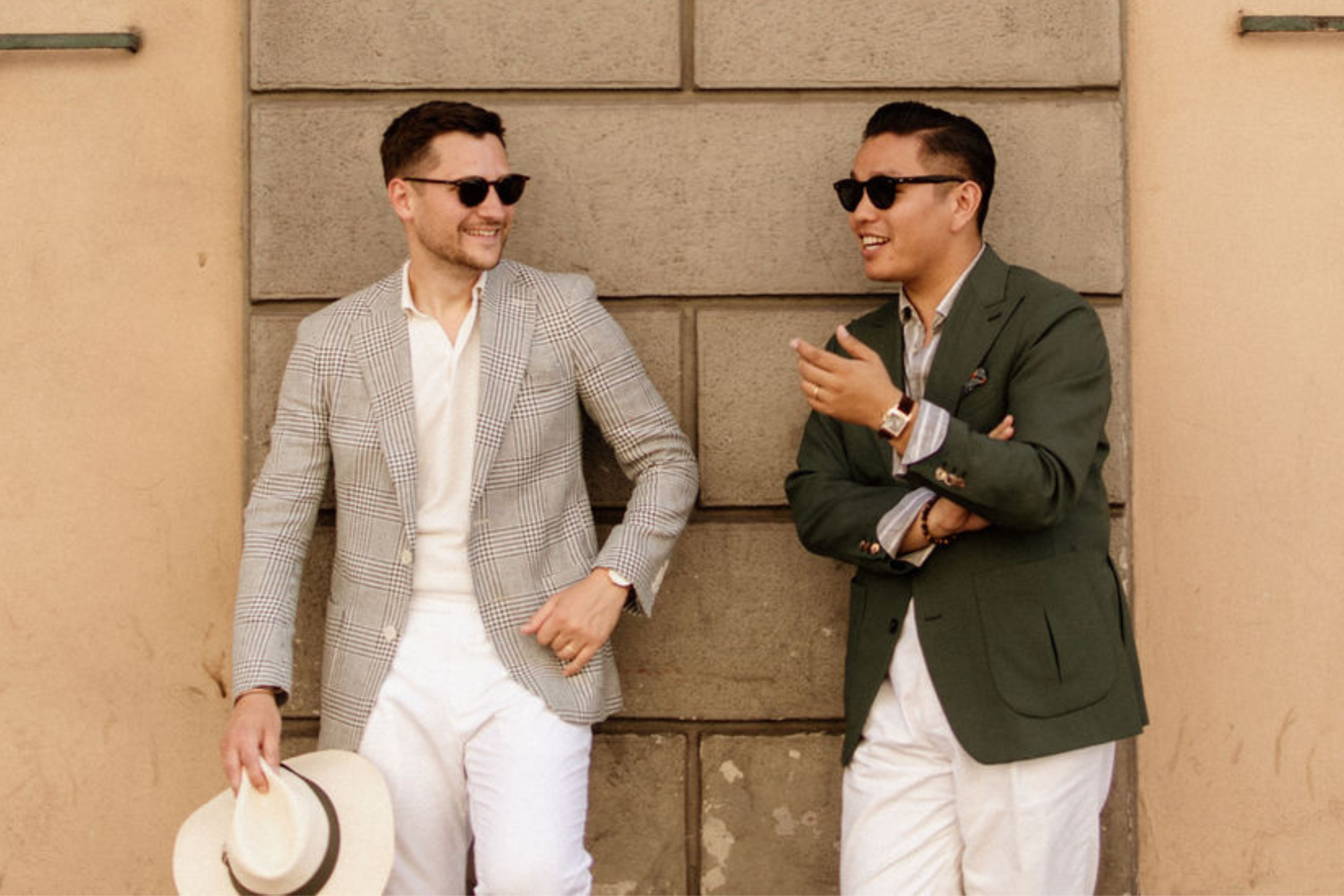
Most men’s wardrobes are organized around “looks”:
• a suit for formal occasions
• a pair of pants for everyday wear
• a jacket “just in case”
Each outfit is conceived as a single unit. The problem is that individual garments exist in isolation. The “uncoordinated” suit offers a different approach: thinking in terms of standalone pieces.
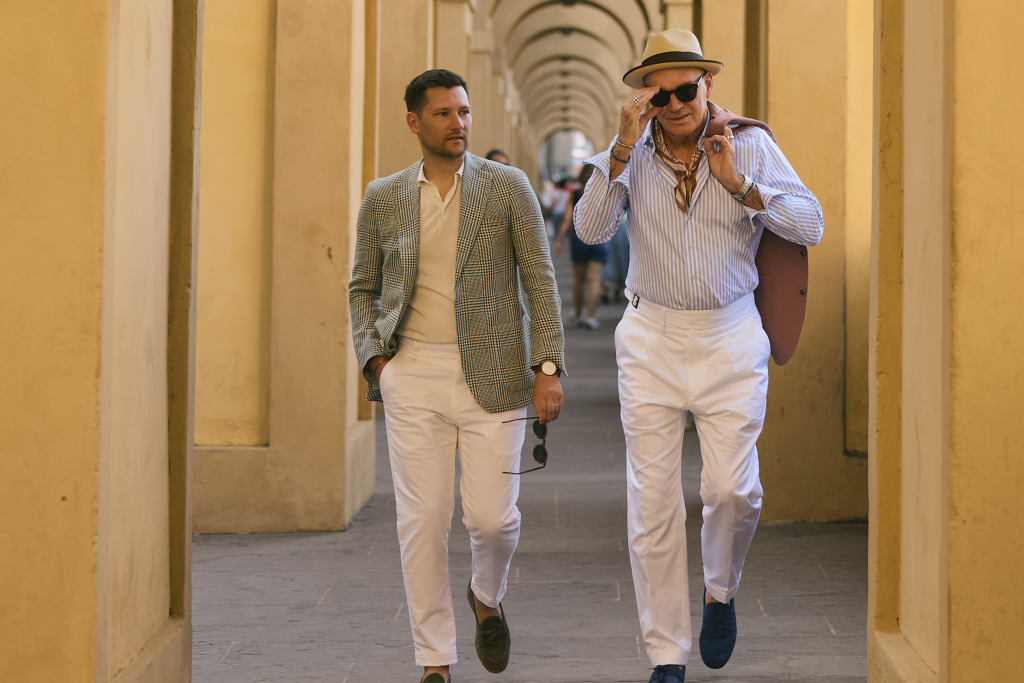
A jacket is no longer tied to its pants. Pants are no longer limited to being worn under a matching jacket. Each garment begins to take on multiple lives.
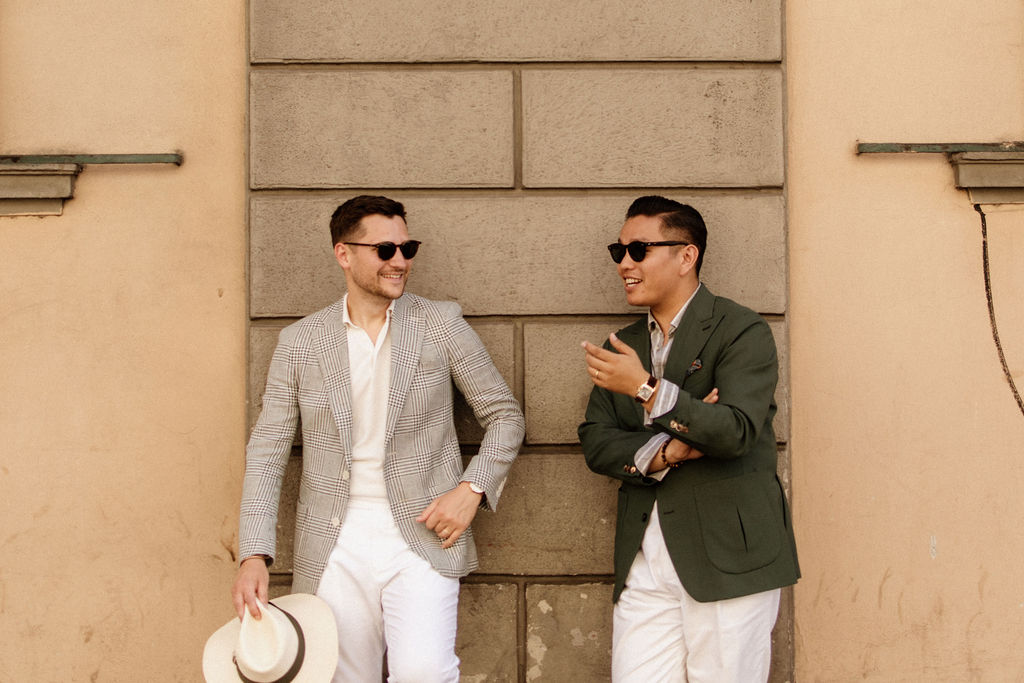
The mismatched suit isn’t a styling technique. It’s a way to simplify things. With two or three well-chosen jackets and a few pairs of matching pants, you can create countless combinations without having to buy more clothes.
And, above all, you avoid the most common mistake: buying individual pieces that only work for a single outfit.
There’s something very interesting about a well-tailored suit: it’s rarely limited to a single use. A well-cut jacket can look great with more casual pants.
Suit pants can be paired with a sweater, a light shirt, or a jacket with more texture.
This is where mixing and matching really comes into its own: it transforms a suit into an endless array of possibilities.
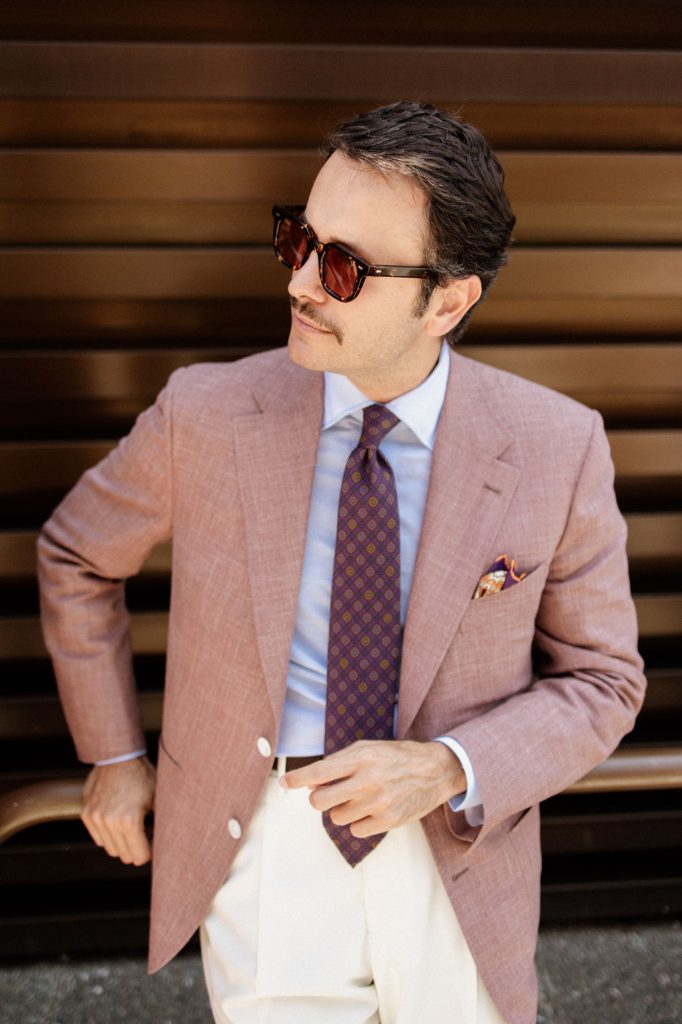
Once you understand this concept, you quickly realize that a suit is nothing more than a starting point. In fact, mixing and matching opens the door to a much broader wardrobe, where other pieces enrich your outfits.
There are certain pieces that are particularly interesting when you take this approach…
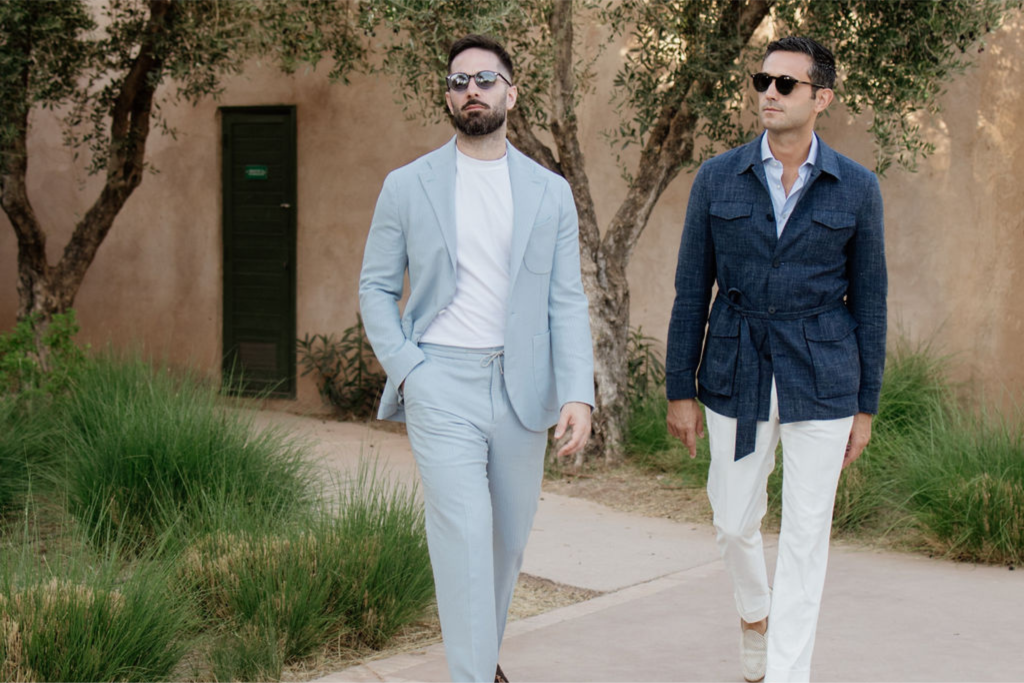
The safari jacket:
Less formal than a suit jacket but more structured than a casual jacket, the safari jacket is an ideal piece for creating mismatched looks.
It looks just as good with wool pants as it does with chinos or lighter cotton pants. It immediately lends a more summery and casual vibe, while still maintaining a certain elegance.
Gurkha pants:
Gurkha pants are another piece that lends itself particularly well to this style. With their fitted waist and military-inspired cut, they help soften the formality of a suit jacket without sacrificing elegance.
Paired with a structured jacket, they create an interesting balance between formality and a casual vibe.
A wardrobe philosophy, not a silhouette:
These garments illustrate a key concept: mixing and matching isn’t just about combining existing outfits, but about creating a wardrobe where different levels of formality coexist.
Each garment becomes a tool for creating an outfit.
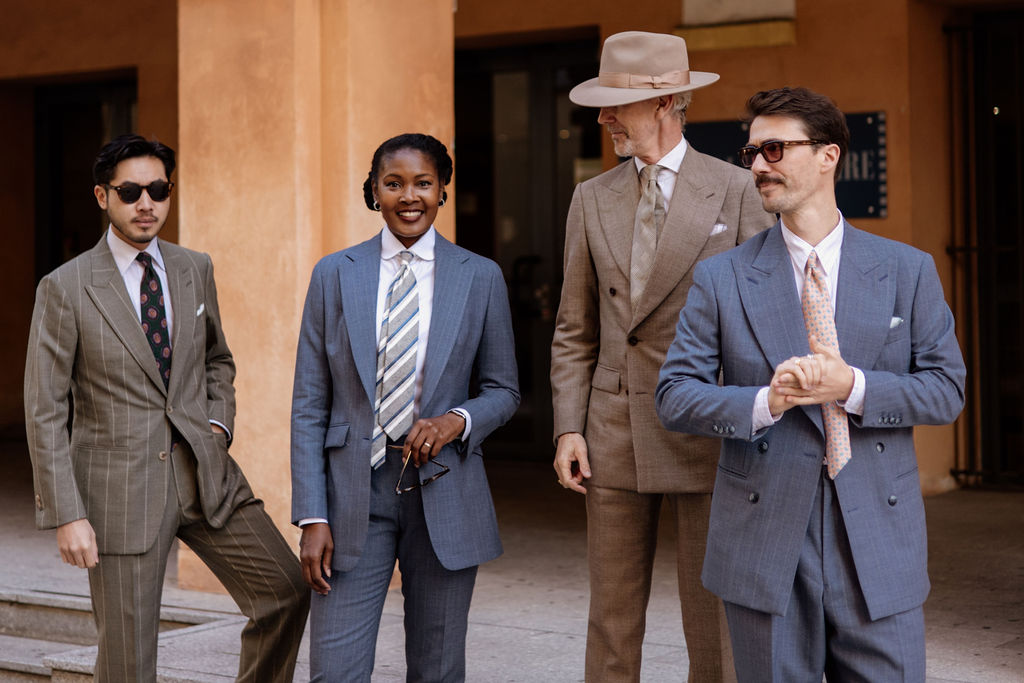
Mixing and matching garments doesn’t mean simplifying elegance. Quite the opposite. A well-put-together look is based on precise balances:
• color harmony
• the right choice of materials
• a balance of proportions
It’s not a matter of chance. It’s a matter of design.
A mismatched suit is particularly interesting in a simple situation: when the occasion isn’t entirely formal.
At times like these, many men feel torn:
• a full suit = too dressy
• a casual outfit = not structured enough
A matching suit offers a happy medium. The jacket provides structure, while looser-fitting pants add a casual touch, and the ensemble as a whole maintains a sense of cohesion.
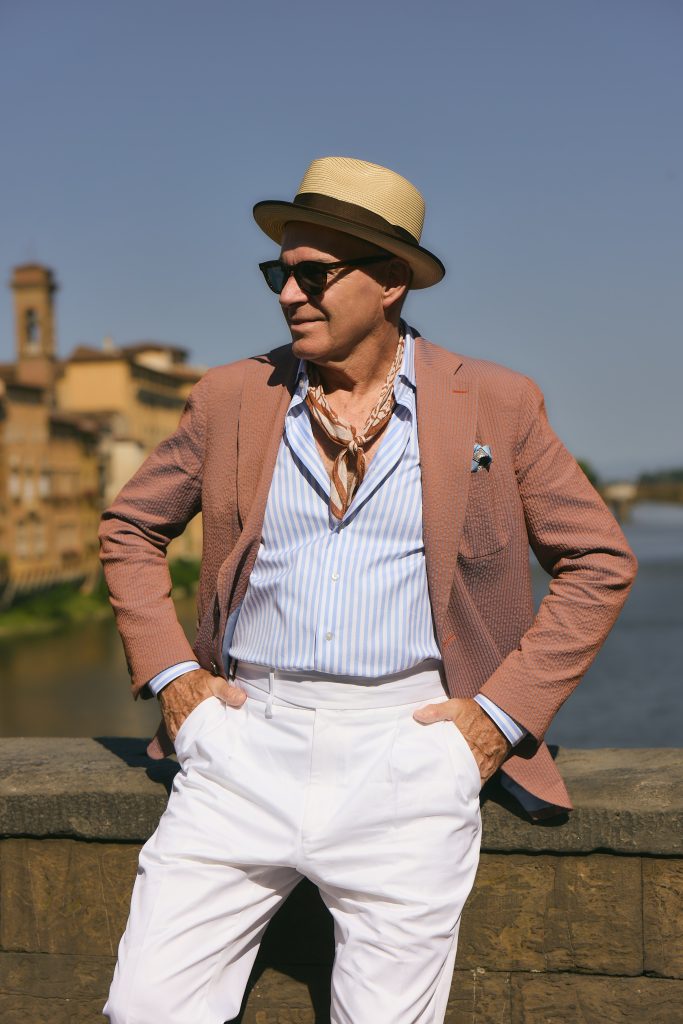
Bespoke tailoring is often considered something reserved for special occasions. But in reality, a well-designed suit is, above all, an everyday staple.
The mismatched suit takes this idea a step further: it doesn’t just create an outfit—it creates a system.
A system in which each garment can adapt to the context.
The mismatched suit isn’t merely an aesthetic variation. It’s a smarter way to approach your wardrobe: fewer unworn garments, more possible combinations.
And, above all, it offers an elegance that adapts to real life, rather than the other way around.
This is often where bespoke tailoring truly shines: when it goes beyond simply making suits to help you create a cohesive, flexible, and sustainable wardrobe.