
31/10/2026
The great British drapers: following in Yorkshire’s footsteps
In our previous article, we took you to Biella, in the heart of the Italian region of Piedmont, to discover…
Navy blue, charcoal grey, tobacco brown. Colours are compared and recommended, but they remain a secondary consideration when choosing a fabric. Because before colour, there is something else. Something more fundamental, more intimate. Something you feel before you see it.
The fabric. Its material. Its texture. Its feel.
Because a suit is not just a silhouette and a shade. It is a sensation you wear. A tactile presence, a weight, a weave. And that sensation is what you choose before anything else.
Choosing a fabric isn’t about choosing an appearance. It’s about choosing an experience.
In winter, we look for a rich, heavy fabric. A thick flannel, a carded wool, a tightly woven tweed. Something that envelops, protects and gives substance to the silhouette. A fabric you can feel on your shoulders – reassuring and structuring.
In summer, everything changes. We want fluidity, lightness and breathability. A flowing virgin wool, a cool wool known as ‘fresco’, a fabric that glides over the skin without clinging, that lets air through without suffocating.
It’s not just a question of comfort. It’s a question of harmony between the garment and the season, between the body and the climate.
Wearing heavy flannel in July is like wearing linen in December. It’s not just inappropriate; it’s jarring. The fabric must respond to its environment, adapt to it, and blend into it.
And this adaptation begins with the choice of fabric.
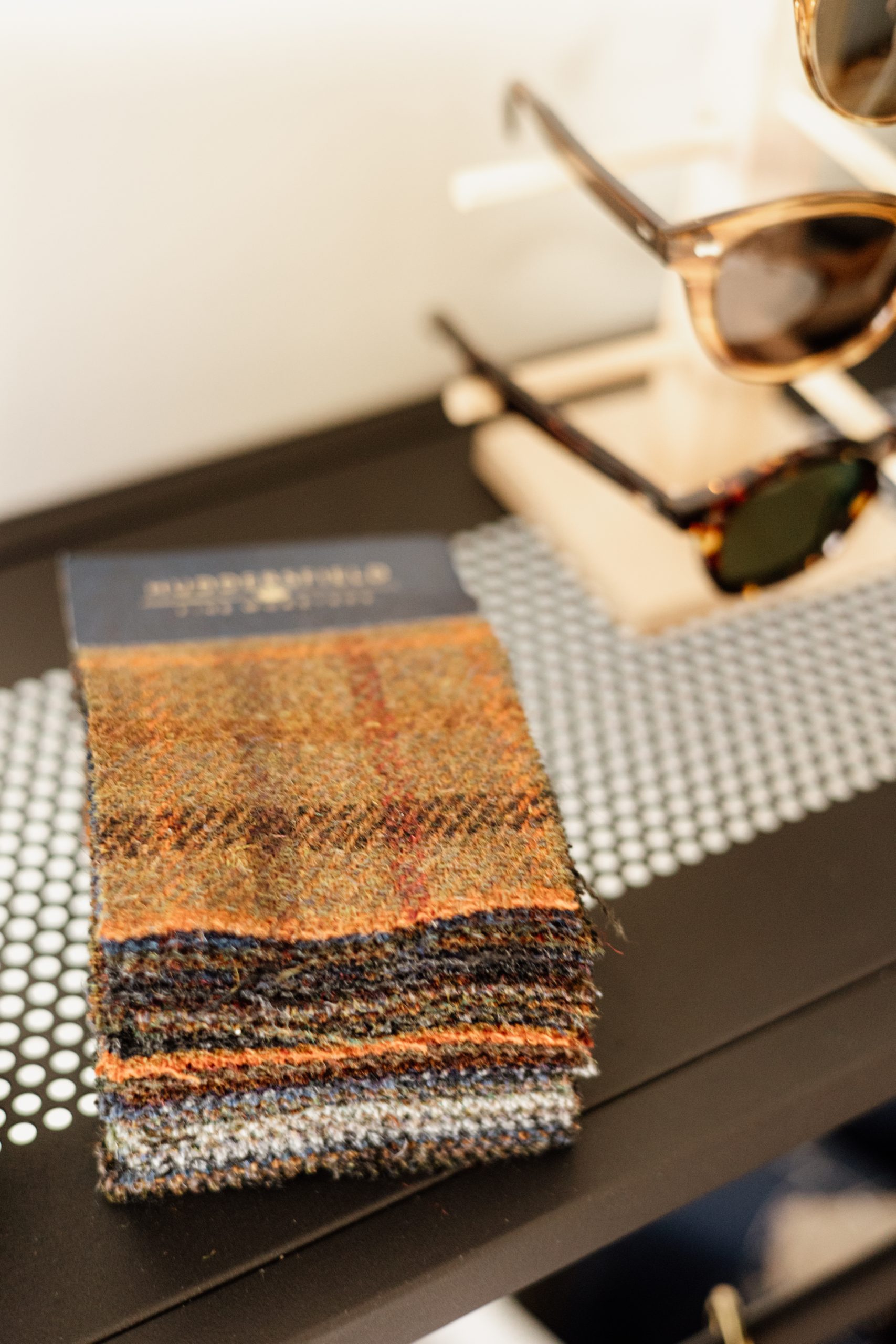
One sentence, in my view, sums up this philosophy perfectly: Don’t choose a colour, choose a sensation.
When you touch a fabric, you immediately feel something. The rough texture of tweed. The silky softness of flannel. The crisp, structured feel of fresco. The fluid drape of a tropical fabric.
It is this sensation that will accompany every gesture, every movement, every hour of the day. It is this sensation that will play a key part in the comfort of your outfit.
A fabric can be visually stunning yet unpleasant to wear – too stiff, too heavy, too warm. Conversely, an unassuming fabric may reveal, to the touch and in use, an unexpected elegance.
Colour comes later. It complements the feel. But it must never take precedence over it.

In made-to-measure, 100% natural is not an option. It is a requirement.
No polyester, no elastane, no synthetic fibres blended in to ‘make it easier to care for’ or ‘improve the fit’. Only wool. Pure, noble, alive.
Why such uncompromising standards? Because natural fibres breathe. They regulate temperature. They absorb moisture without trapping it. They age gracefully.
Synthetic fibres, on the other hand, suffocate. They trap heat, retain sweat and create an unpleasant, clammy sensation. They give the illusion of modernity, but at the expense of comfort.
And this is where a persistent misconception comes in.
The Myth that Wool Keeps You Warm in Summer
We often hear this comment: “But wool keeps you warm, doesn’t it?”
That’s not true. Or rather, it’s a case of confusion.
It isn’t the wool that keeps you warm. It’s the blend with synthetic fibres found in low-quality garments.
100 per cent natural, finely woven wool is one of the most breathable materials there is. It regulates body temperature, wicks away moisture and allows air to circulate. That’s why traditional summer suits in Italy, Spain and Portugal are made of wool.
The problem lies with the polyester-wool blends found in mass-produced ready-to-wear clothing. Those fabrics, yes, are stifling. Because polyester is plastic. And plastic doesn’t breathe.
Wearing a 70 per cent wool / 30 per cent polyester suit in July is the equivalent of wearing a light flannel shirt. And ultimately, despite the fabric being mostly wool, it is the plastic that will dictate how comfortable it is…
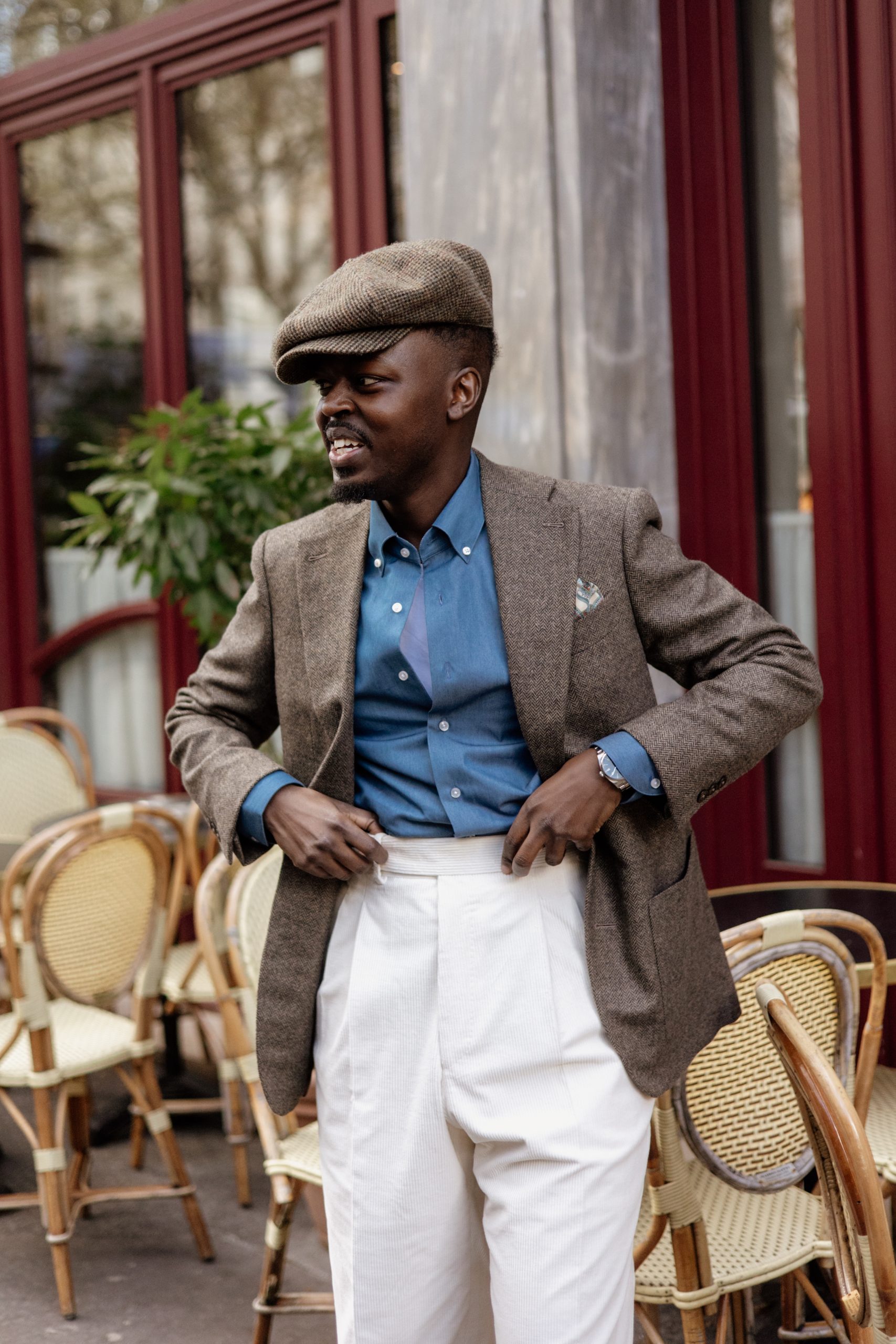
That sensation we’re seeking often stems from two distinct traditions.
At Blandin&Delloye, as with all our selections, we favour Europe. And when it comes to wool, two countries have dominated for centuries: the British and the Italians. Two traditions. Two philosophies. Two ways of conceiving fabric.
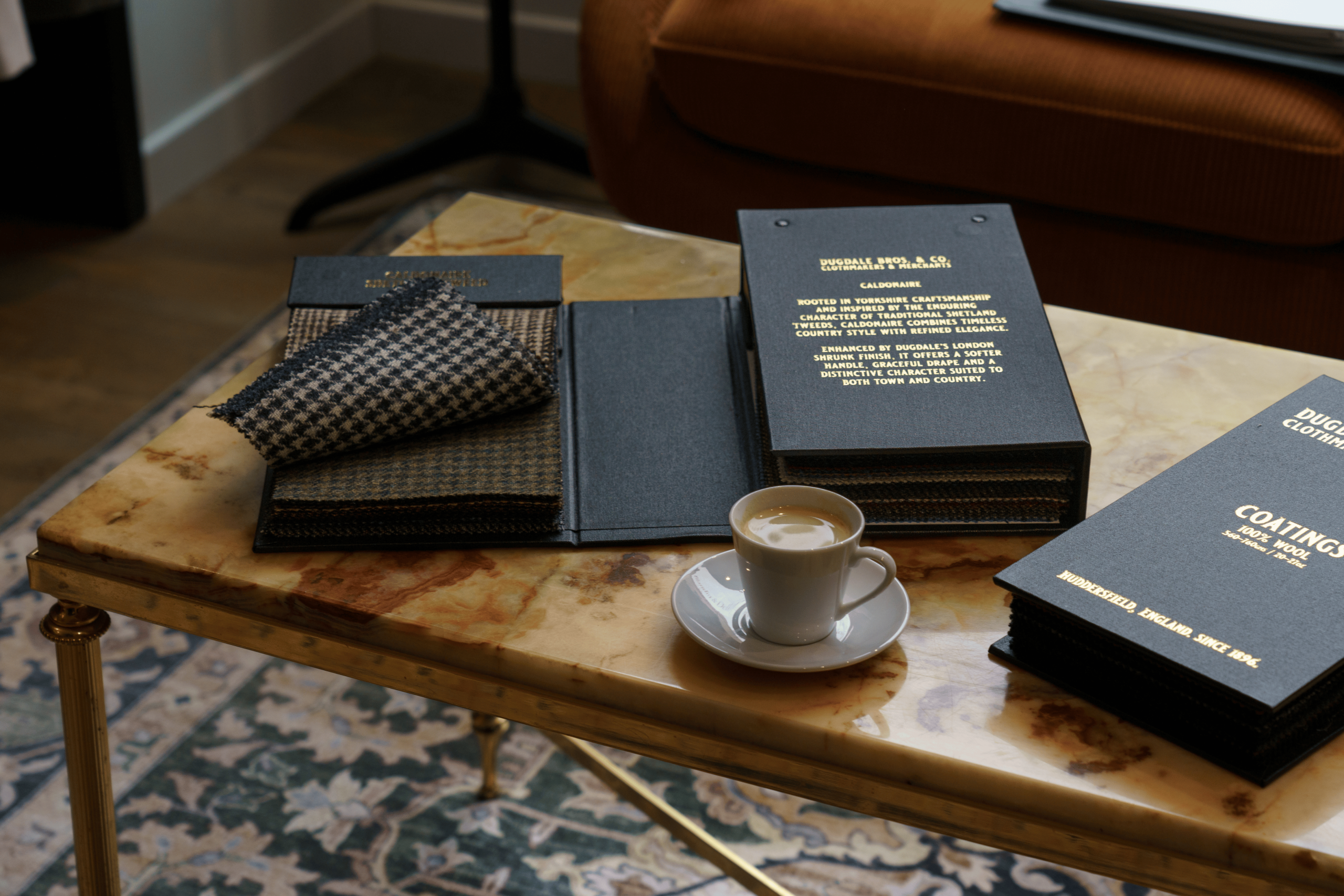
England is all about structure and character. English fabrics have body, presence and a distinct texture. Thick flannels, robust tweeds, cheviots with a rough yet refined texture. These are fabrics that hold their shape, lend weight to an outfit, and age with a reassuring patina. Perfect for winter, for a structured British style, and for those seeking a certain elegant gravitas. Houses such as Holland & Sherry, Huddersfield and Dugdale (among others) carry on this heritage with admirable consistency.
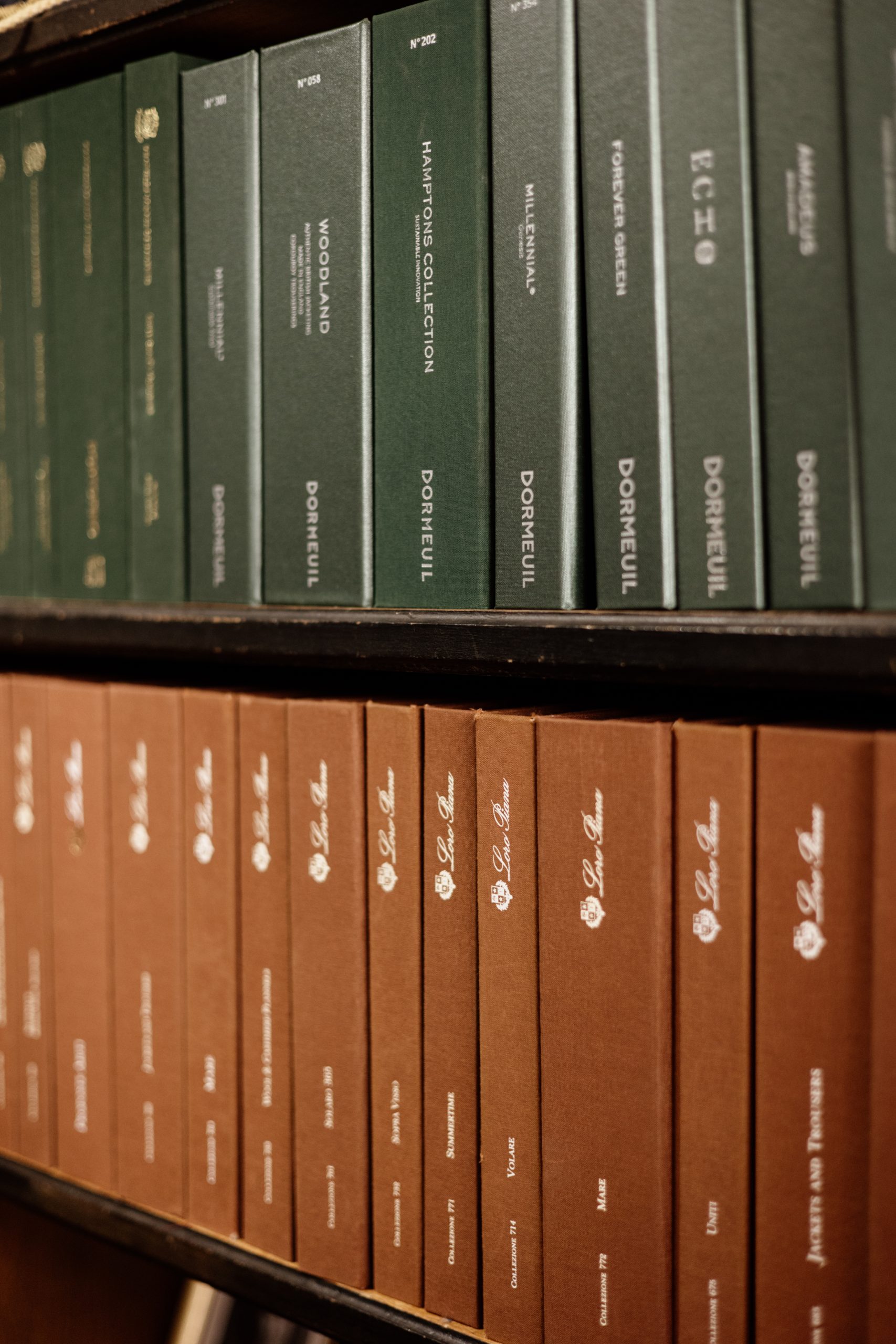
Italy is all about fluidity and softness. Italian fabrics prioritise a natural drape, a silky feel and lightness. Fine virgin wools, airy frescos and blends of wool, linen and silk. These are fabrics that move with you, that you hardly notice whilst remaining refined. Ideal for summer, for a relaxed Neapolitan style, and for those seeking understated elegance. Vitale Barberis Canonico, Loro Piana and Drago: all names that embody this Mediterranean tradition of refinement.
None is better than the other. They simply cater to different needs, different tastes and different sensations.
Choosing between an English fabric and an Italian fabric is, in itself, a choice of sensation. Even before we talk about colour.
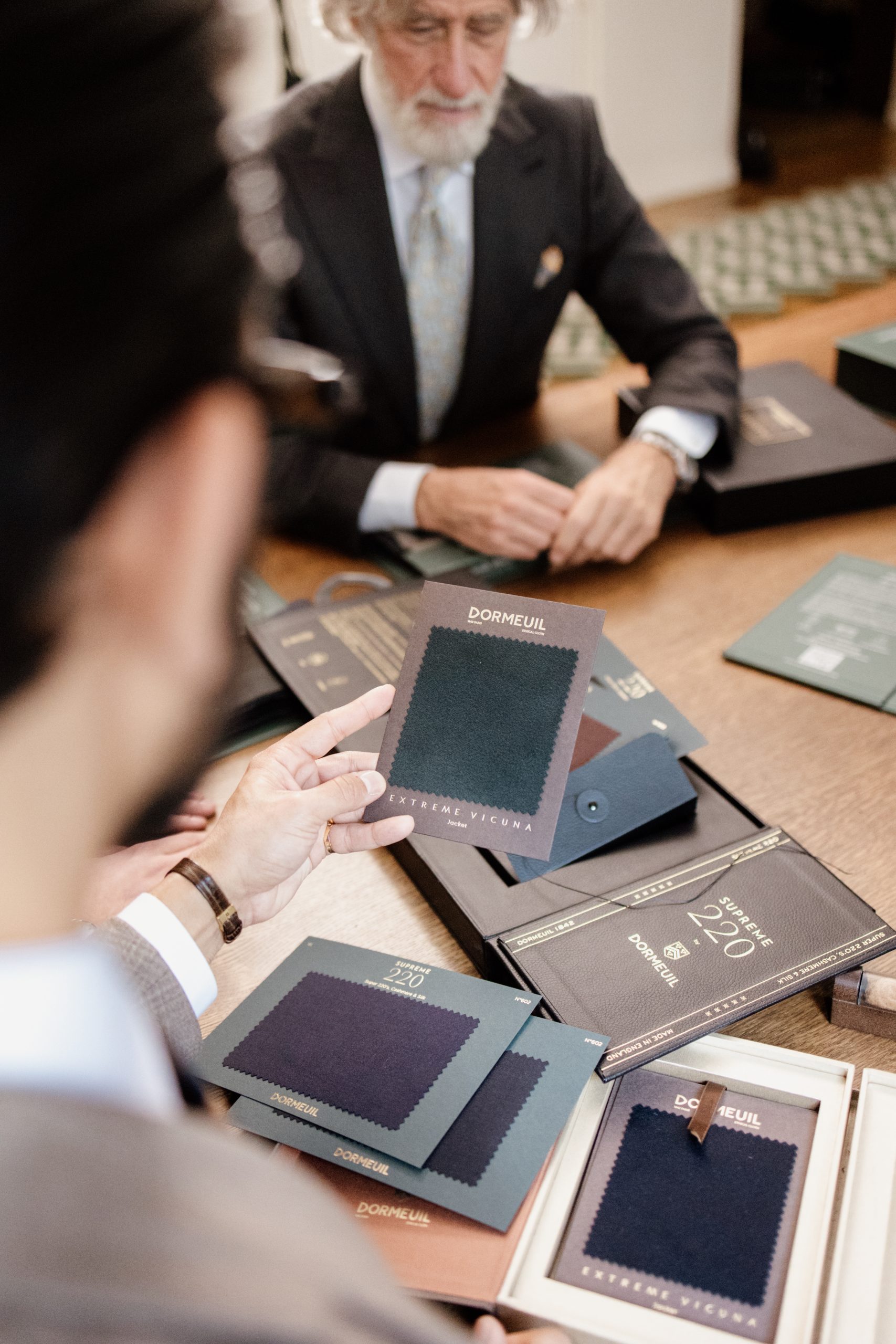
A suit is something you see. But first and foremost, it’s something you experience.
And what makes it a pleasure to wear is not its cut (though that matters), nor its colour (though that may be pleasing). It is its fabric.
The material we wear for eight hours a day. Which breathes with us, moves with us, ages with us.
Choosing a fabric means choosing a sensation. A presence. A daily relationship with the garment.
So don’t rush into choosing a colour. Take the time to feel the fabric. To choose a material that will be with you, season after season, without ever letting you down.
Because a good fabric – 100 per cent natural and well chosen – is already half the battle when it comes to a good suit.
The other half is you.
Author: @romain.pizzanelli