18/09/2026
Bespoke suits in Poitiers
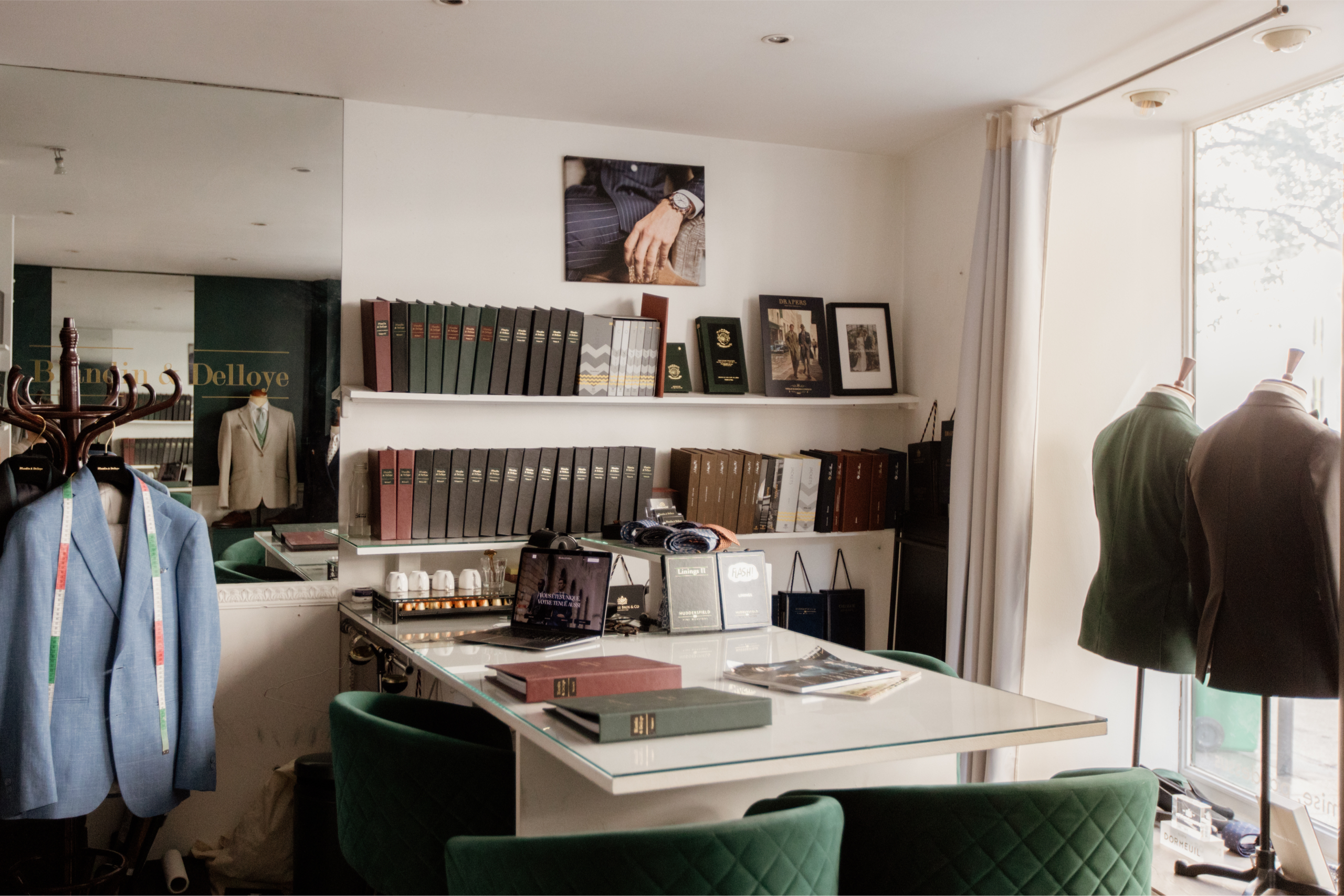
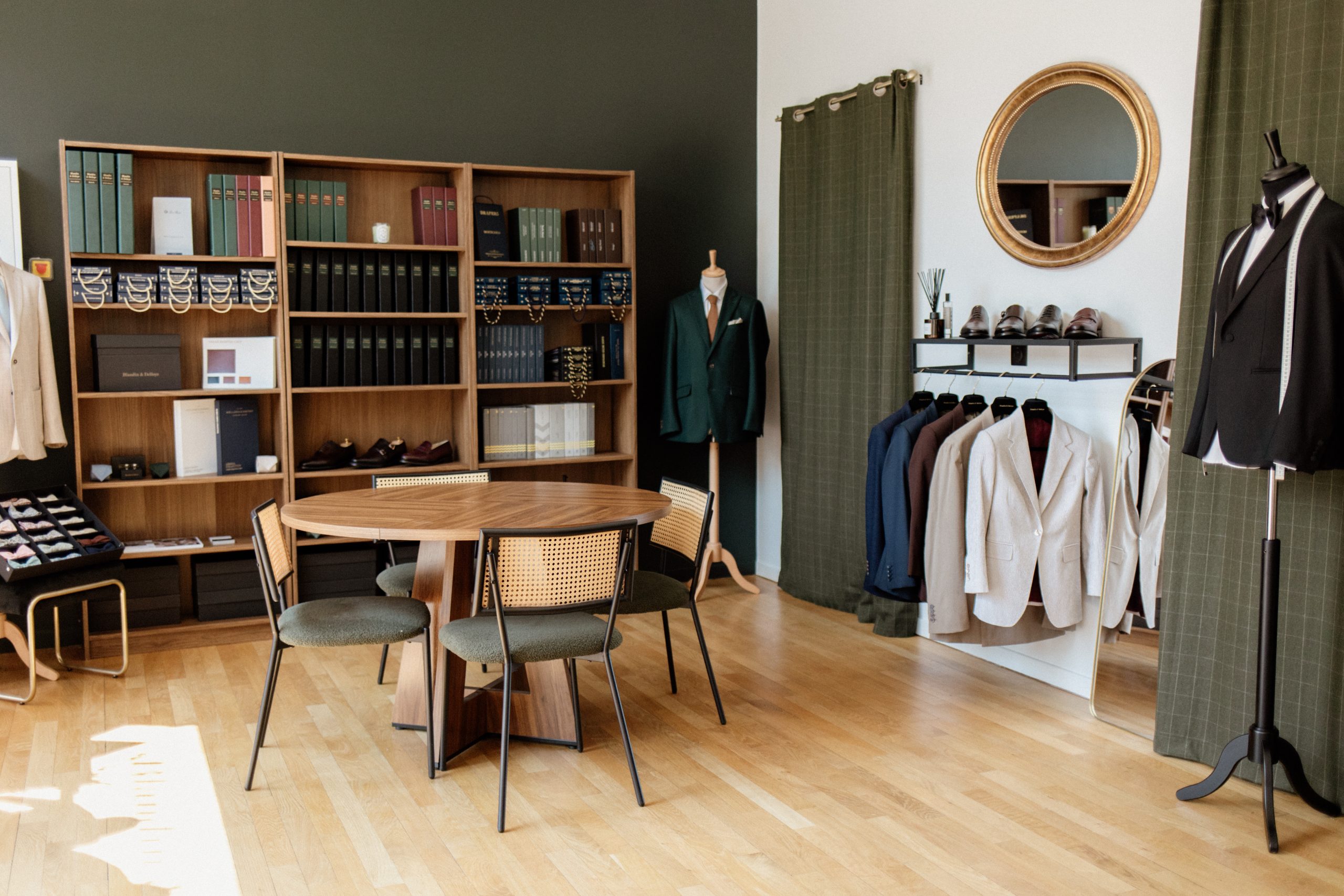
Look out for the new Blandin & Delloye boutique opening soon in Poitiers: bespoke suits and a private showroom dedicated…
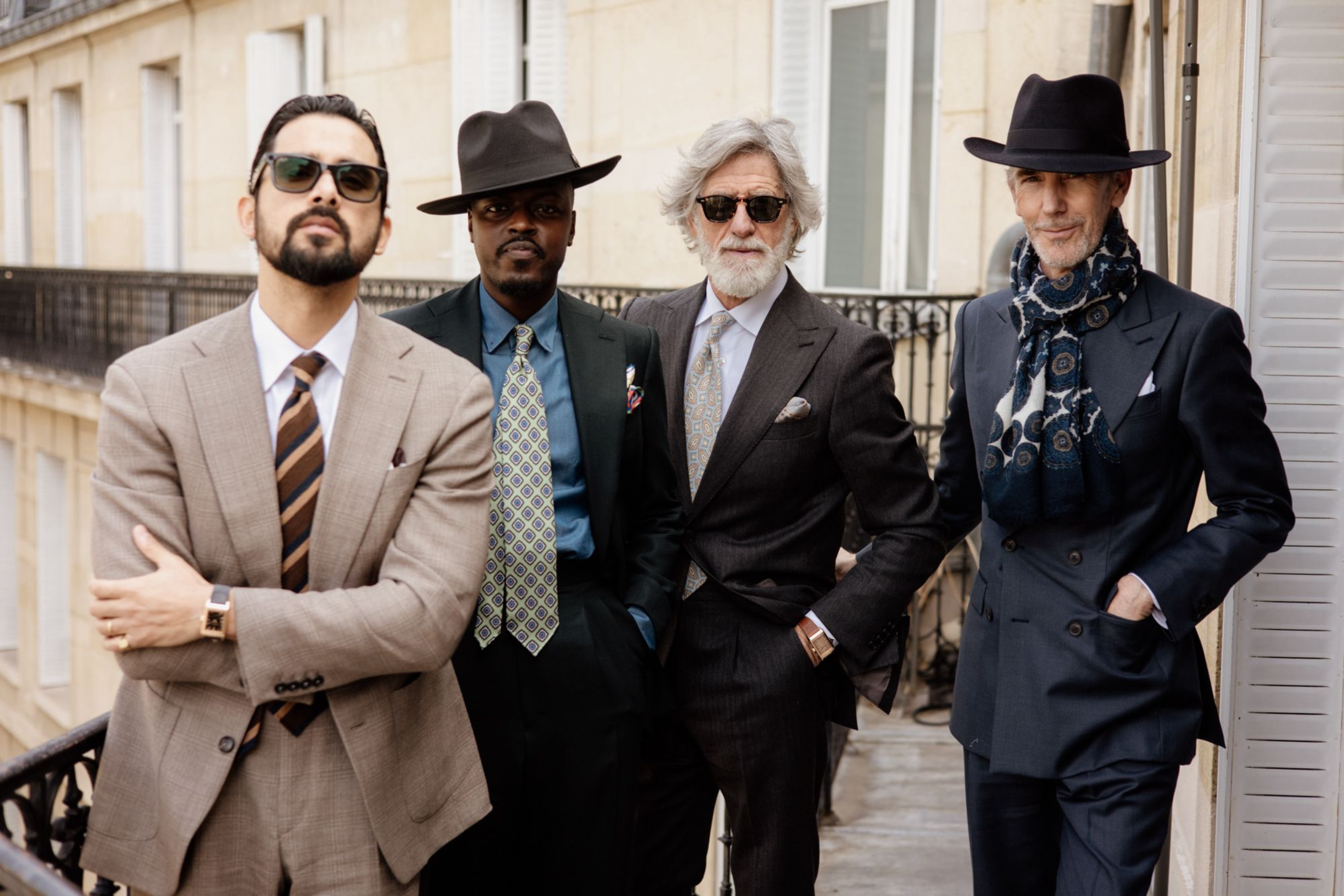
It’s often said that clothes don’t make the man, but they certainly make the gentleman. While style is personal, some European cities seem to have infused elegance into their very streets. Whether you’re a fan of formal chic or Mediterranean nonchalance, this roundup of Europe’s five most stylish cities should help you plan your next trip… and your next order with us!
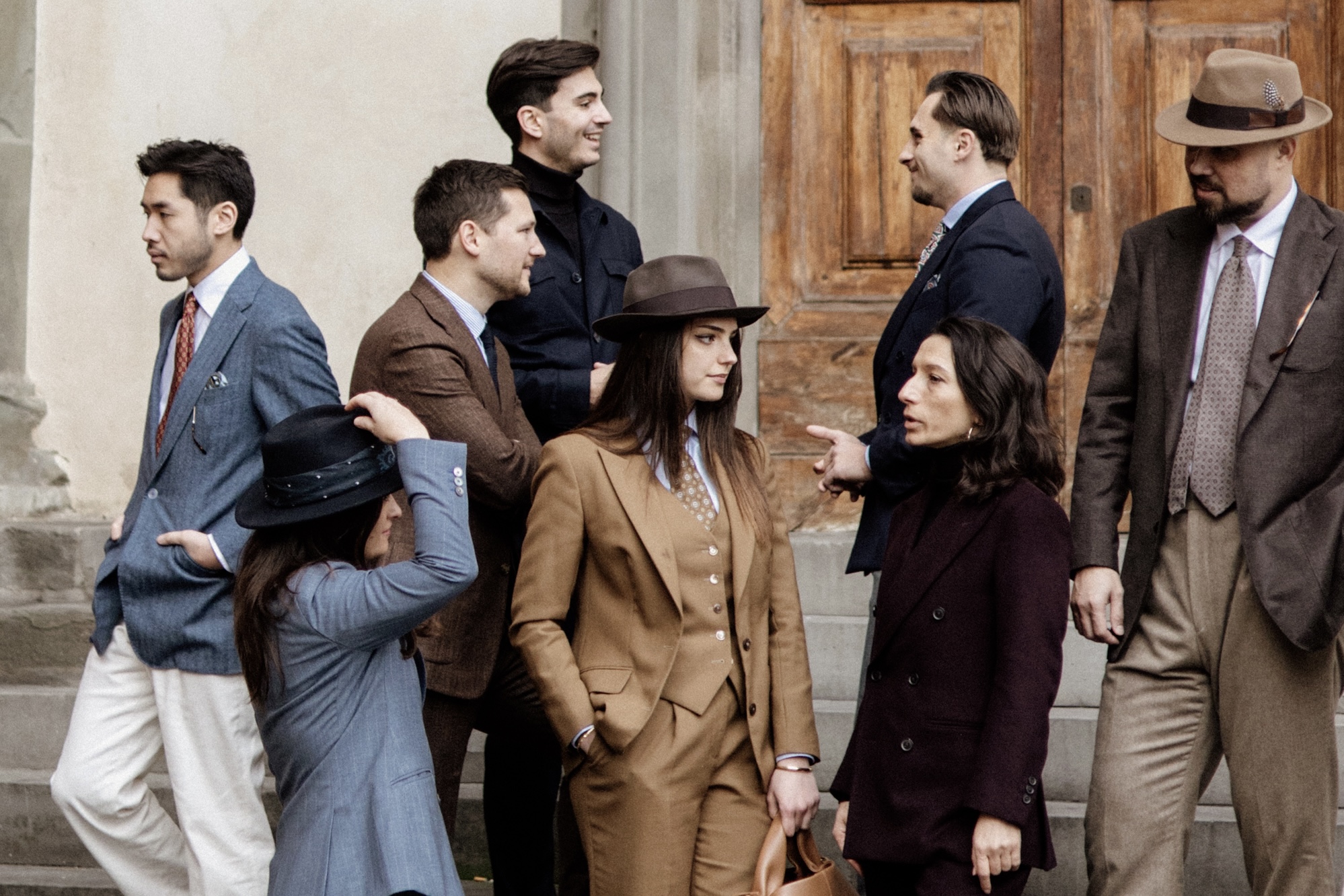
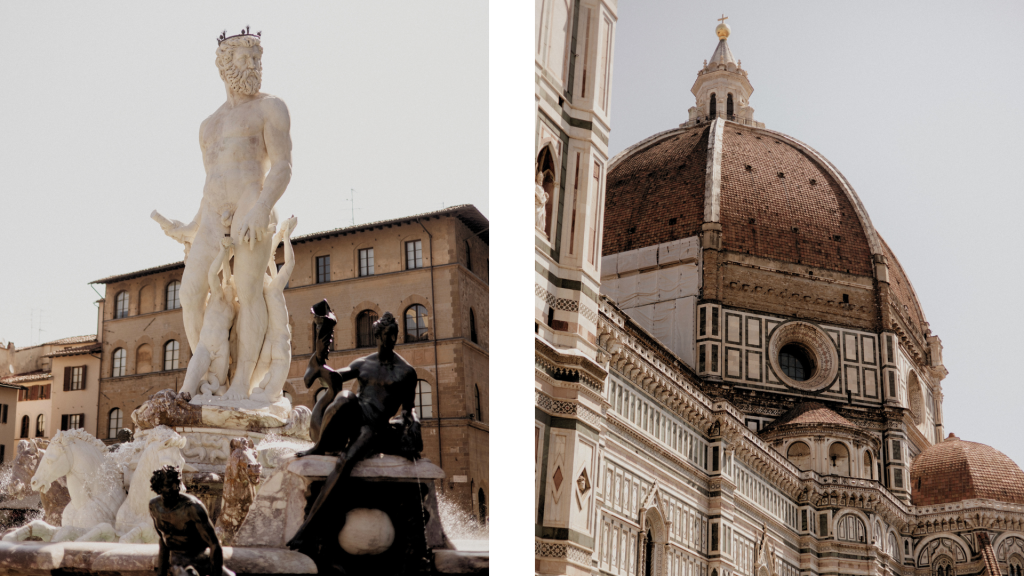
Florence isn’t just a museum city, it’s the beating heart of classic menswear.
Why: Twice a year, it plays host to Pitti Uomo, the benchmark show where global elegance is defined.
The spirit: A blend of traditional craftsmanship and bold colours. This is where you’ll find the most boutiques per square metre dedicated exclusively to the art of tailoring.
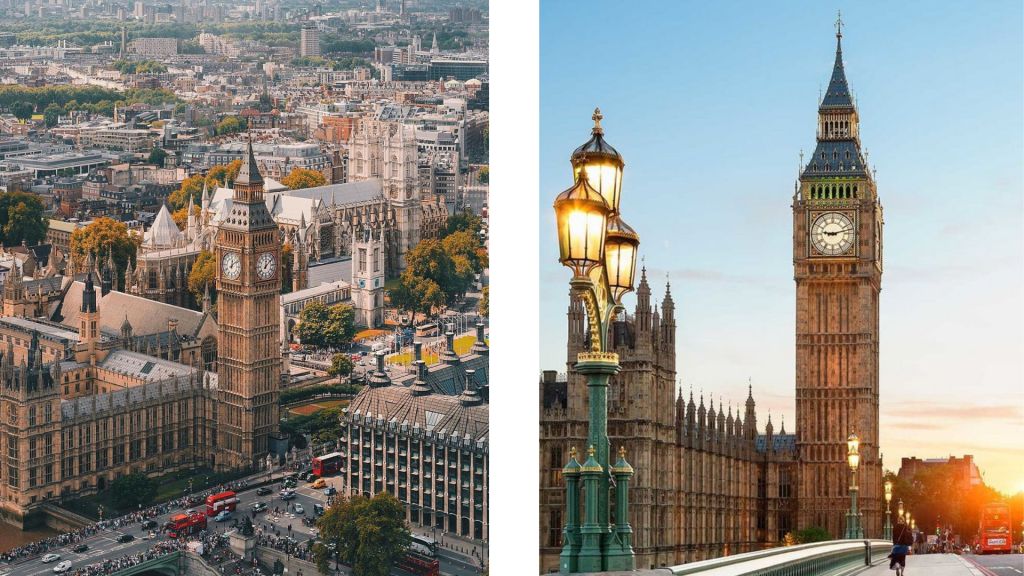
It’s impossible to talk about sartorialism without mentioning the birthplace of the modern suit.
The cult location: Savile Row, a legendary street where houses like Gieves & Hawkes and Henry Poole have been perpetuating Bespoke for centuries.
The spirit: The “British Style” rigid shoulder structure, heavy fabrics and a sober but imperial elegance.
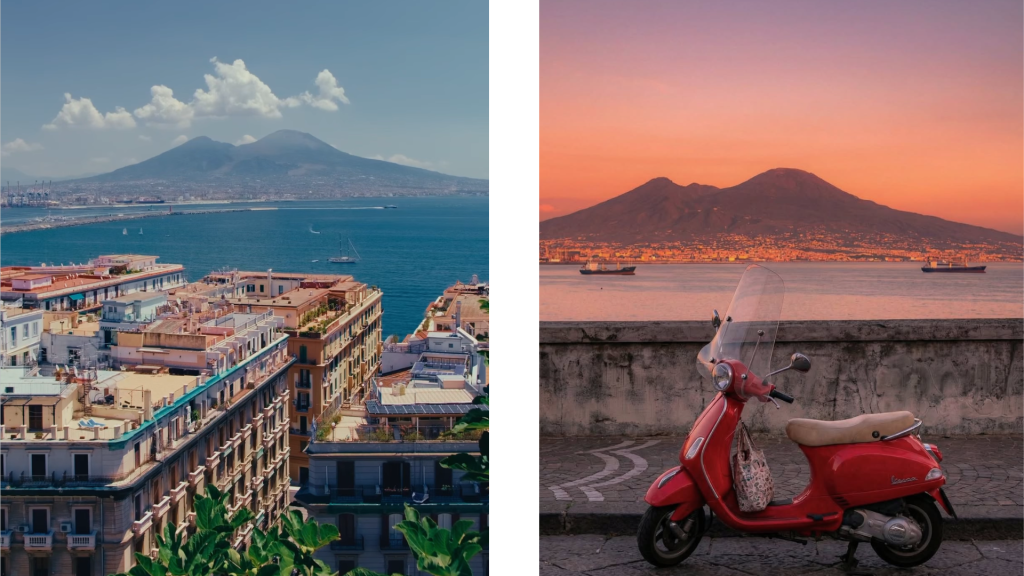
If London invented the suit, Naples made it comfortable and lively.
The specificity: The famous Neapolitan shoulder(spalla camicia), without padding, which follows the movement of the body like a second skin.
The spirit: A nonchalant, sunny elegance. Houses like Kiton and Cesare Attolini have their roots here, advocating a lightness adapted to the Mediterranean climate.
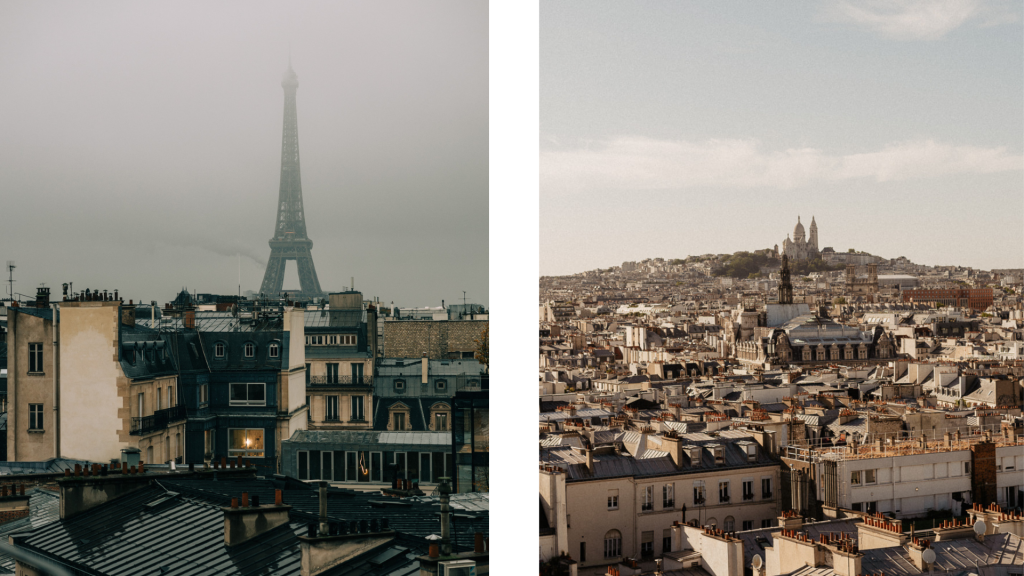
Paris excels in a more intellectual and rigorous form of sartorialism.
The advantage: The “Golden Triangle” of haute-couture houses famous for the precision of their cuts (particularly the shoulder cigarette).
The spirit: A blend between the sophistication of Haute Couture and a timeless classicism, often darker and more formal than the Italian style.
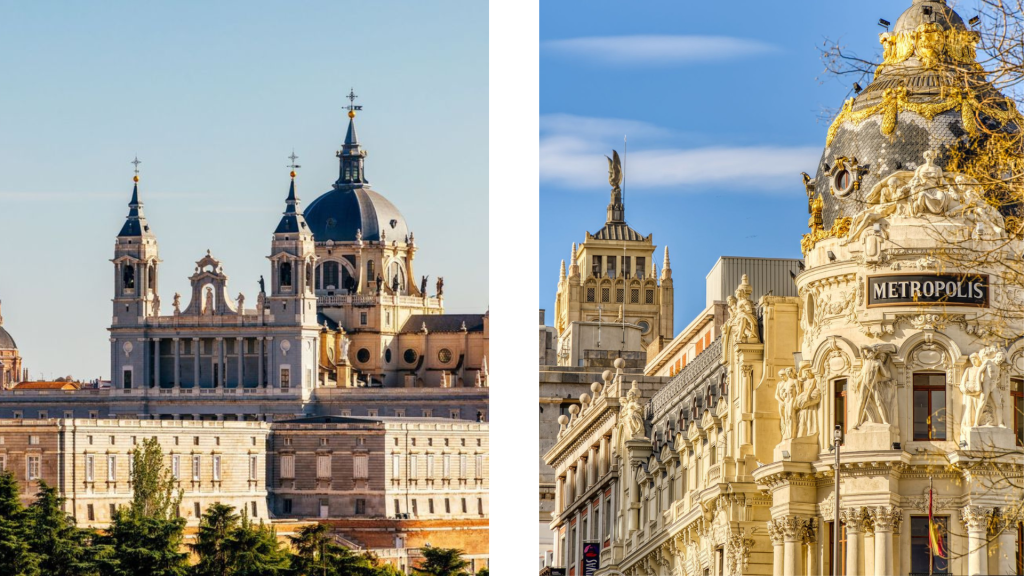
Often forgotten in favour of its neighbours, Madrid is undergoing a veritable sartorial renaissance.
Why: A new generation of tailors and shoemakers is revitalising classic Spanish style.
The spirit: Proud elegance, with a strong focus on accessories and impeccable mastery of the shoe, the central element of the Iberian silhouette.
Sartorialism isn’t just about wearing a suit, it’s an understanding of the construction of clothing. In 2026, we will also see a breakthrough in Copenhagen, which is reinventing these codes with a highly functional Scandinavian minimalism.