18/09/2026
Bespoke suits in Poitiers
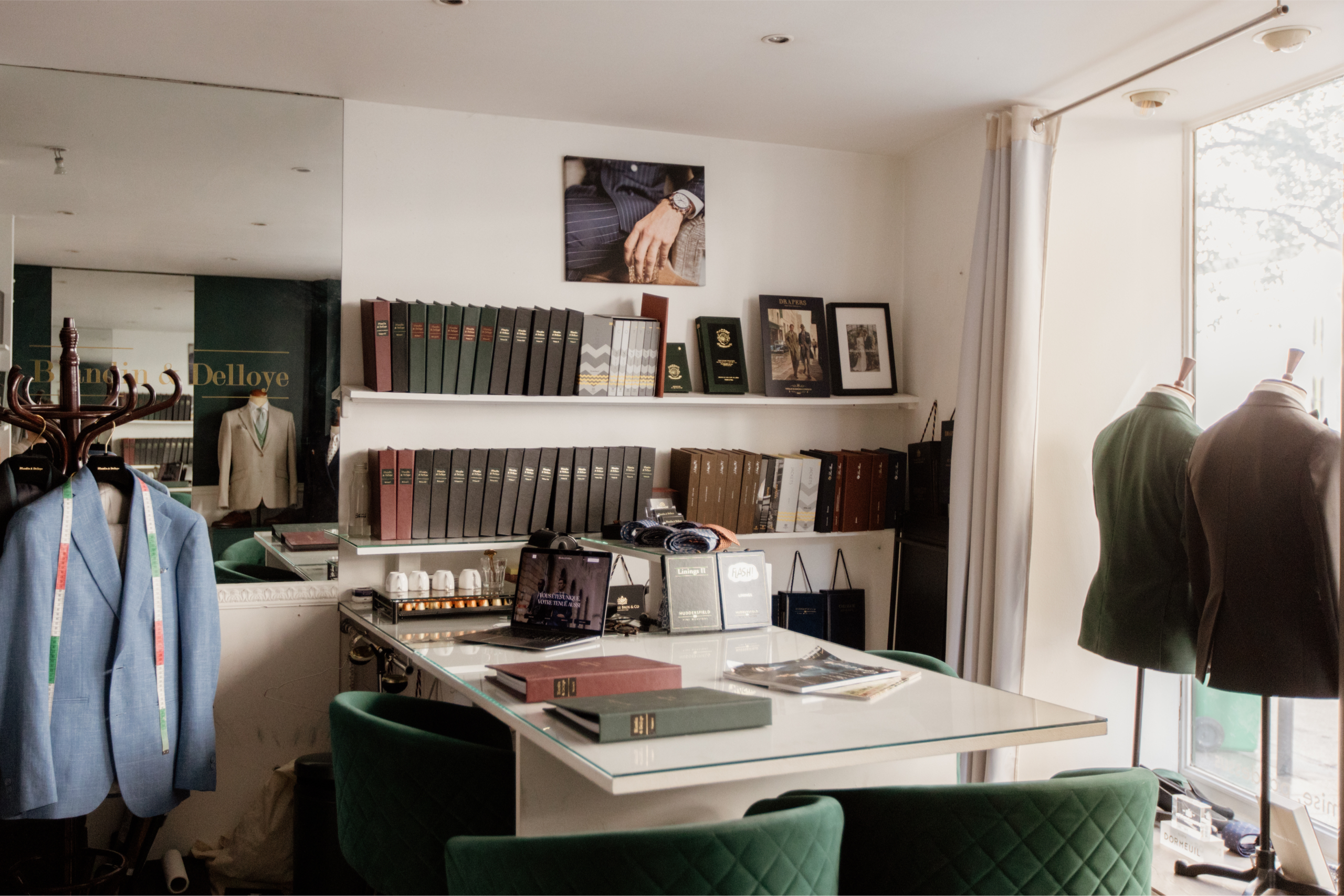
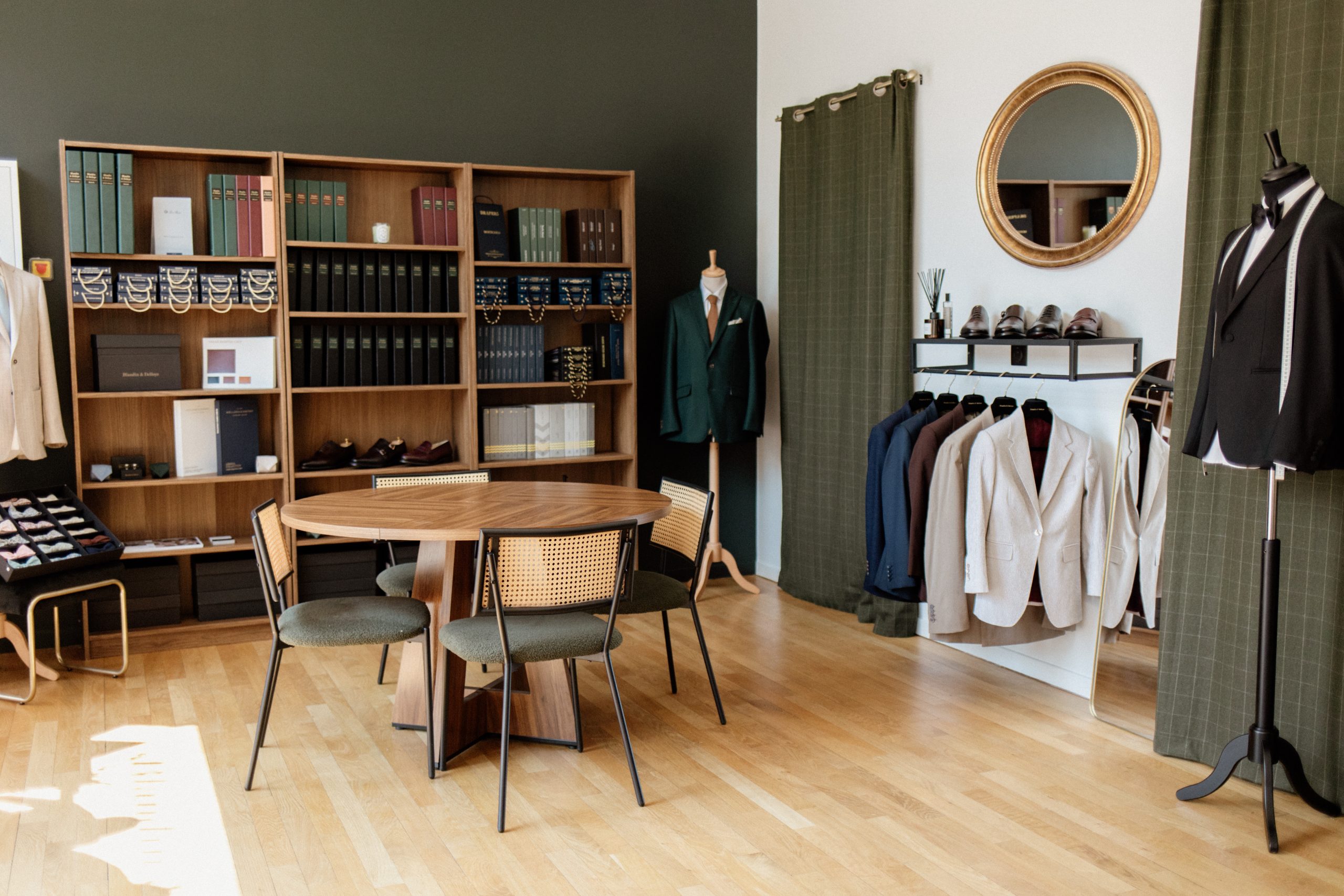
Look out for the new Blandin & Delloye boutique opening soon in Poitiers: bespoke suits and a private showroom dedicated…
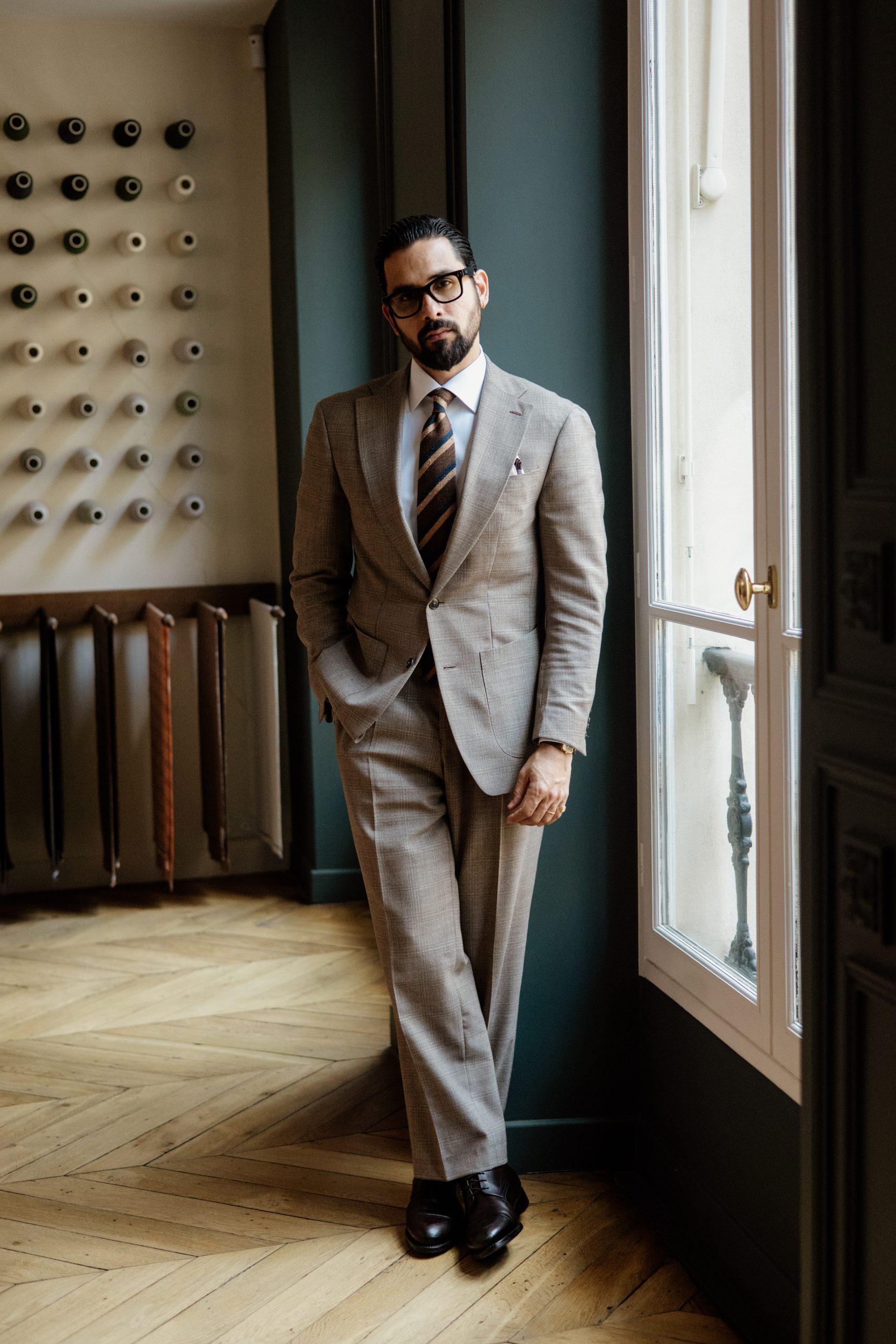
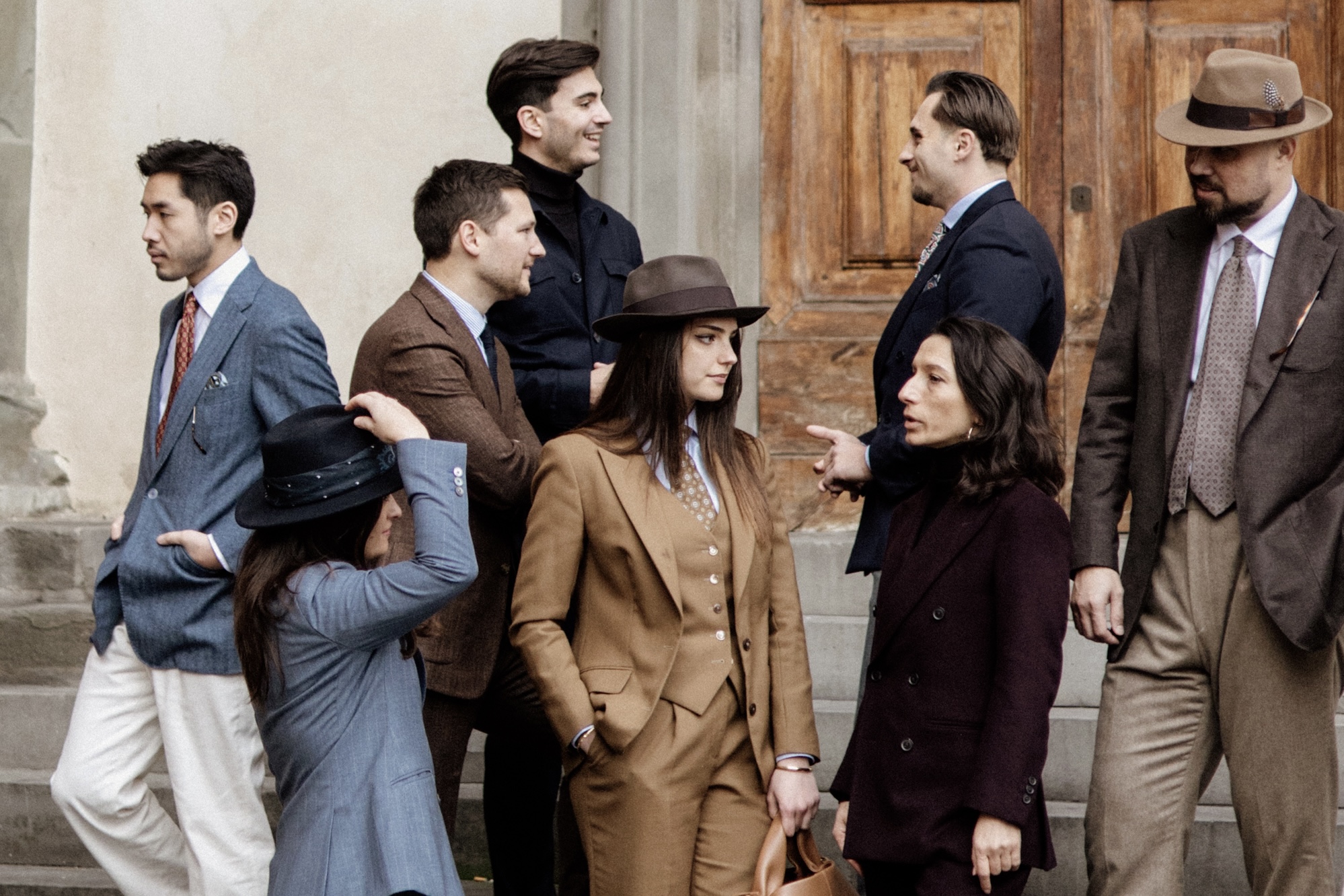
A love for iconic pieces in the men’s wardrobe, a passion for work well done, an appreciation for craftsmanship, and a sense of the long term: the art of tailoring has emerged as an obvious response to the culture of the ephemeral. Driven by the rise of blogs, online communities, and a new generation of specialty boutiques, this approach to men’s style goes beyond a mere trend to become a true philosophy of life.
Behind this term—borrowed from the Latin *sartor* (tailor) and popularized by Italian *sartoria*—lies a clear ambition: to blend the classic wardrobe with a contemporary elegance that is vibrant and exhilarating.
For decades, the suit was a social given. Then the rules became more flexible, until the press began constantly—and mistakenly—proclaiming the demise of the suit and tie. But they didn’t count on a community of enthusiasts eager to reinvent these classics and adapt them to the times.
Far removed from the tee-shirt, hoodie, and sneakers trio, sartorial style celebrates the pleasure of fine fabrics, the cut of a lapel, the drape of the fabric, and the fluidity of a tie. It is a quest for lines, harmony, nuance, and texture.
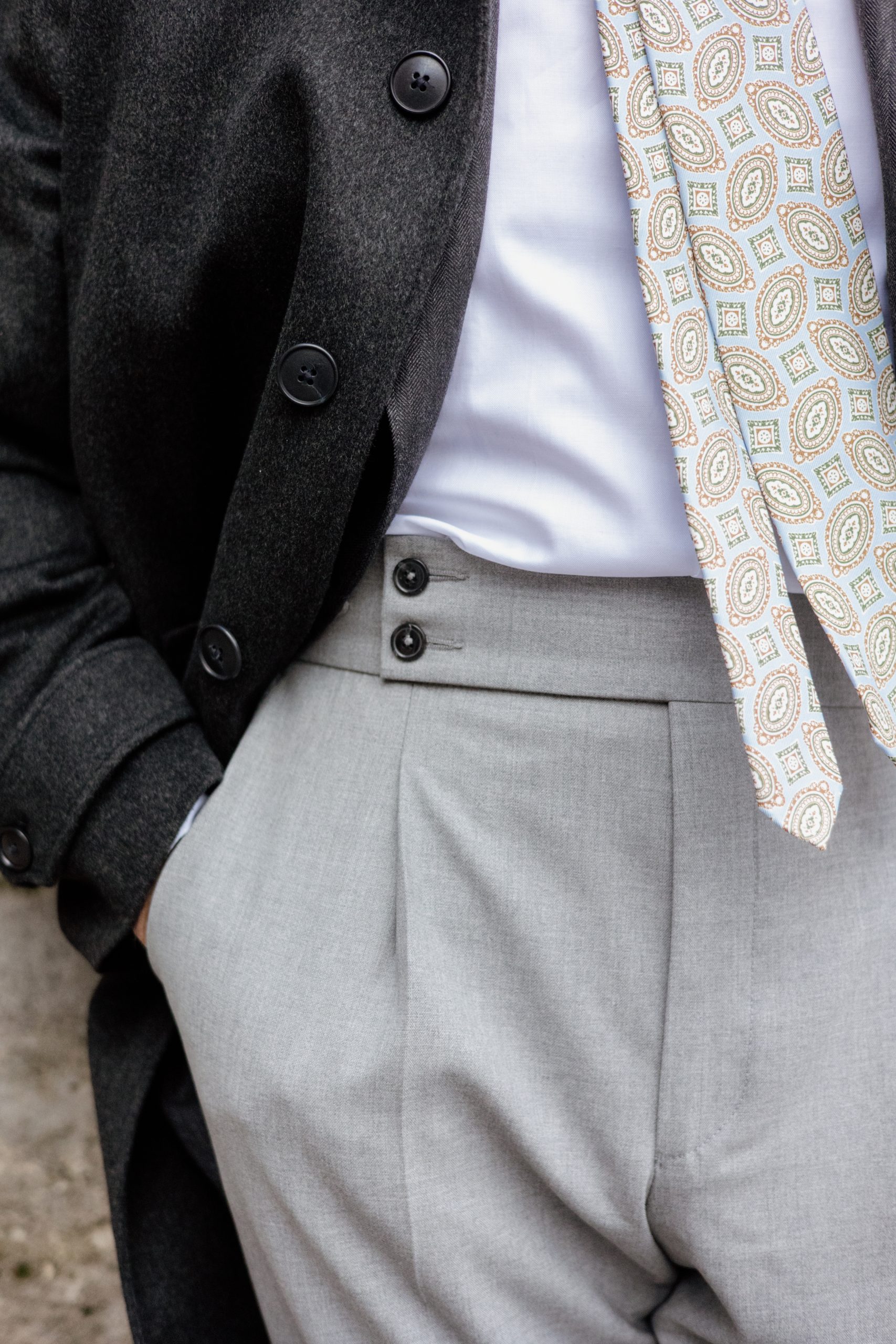
The world of tailoring is not limited to the pleasure of wearing fine fabric. It is also a love of craftsmanship: understanding the origins of a garment, the construction of a interlining, and the provenance of a wool fabric—which comes primarily from the major Italian or English cloth-making regions.
Every detail matters: the type of shoulder—soft in the Italian style or more structured in the English style—a handmade Milanese collar, a Parisian notched collar, or the precision of Savile Row.
The garment leaves behind the anonymity of industrial ready-to-wear to rediscover its soul. Embracing this approach means valuing the precise craftsmanship and the people (artisans) behind it who shape our wardrobes.
It is an elegant resistance to the world’s drive toward uniformity.
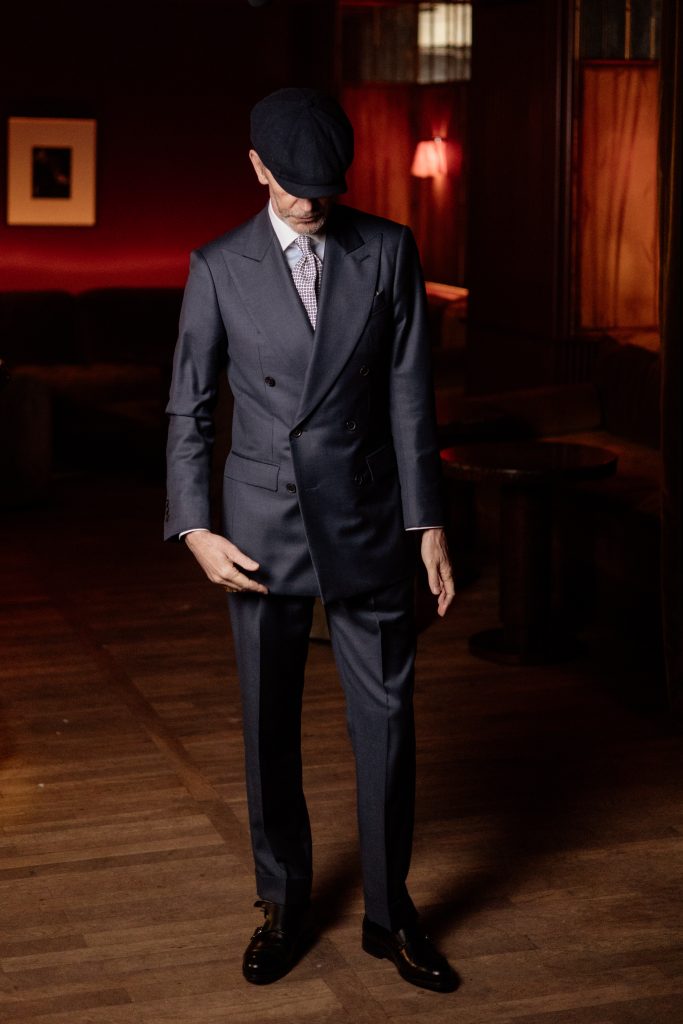
In response to the craze sparked by this movement, the marketing departments of certain mass-market brands have been quick to label mass-produced items as “sartorial.” But true sartorial art cannot be reduced to a single buzzword: it requires training and the cultivation of taste.
Appreciating the lightness of traditional interlining, the suppleness of a seven-fold tie, or the grain of vegetable-tanned leather requires training both the eye and the touch. Because, indeed, it is not limited to the suit alone. Sartorial style encompasses the entire ensemble, right down to the shoes.
It is a culture of high standards and harmony. However, this pursuit of perfection must avoid being labeled as snobbery or dogma: sartorial culture must remain a matter of personal freedom.
Clothing serves the man, not the other way around.
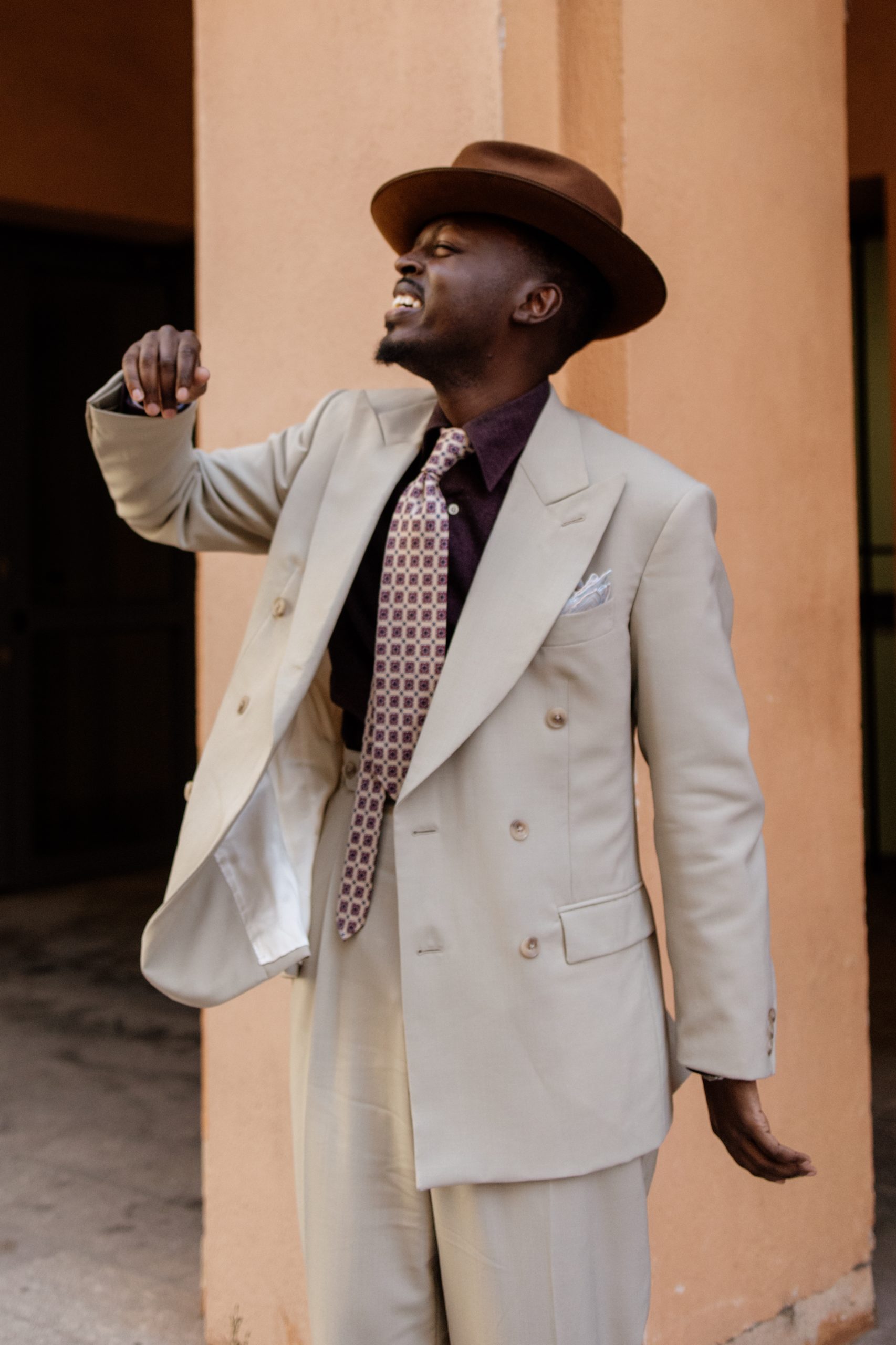
Sartorial elegance is neither a disguise nor a privilege reserved for athletic figures or movie-star physiques.
That is the very secret of the sartorial world: the cut does not conform to the body; rather, it shapes it and reveals its charisma. In France, figures as diverse in stature and personality as Philippe Noiret, Jean d’Ormesson, Bernard Blier, and Jean-Paul Belmondo are the perfect illustration of this.
Far from the dictates of a single ideal, sartorial culture gives every man presence, depth, and style—and can also instill confidence, regardless of his body type. For them, and for others, the suit was not a stage prop, but a second skin.
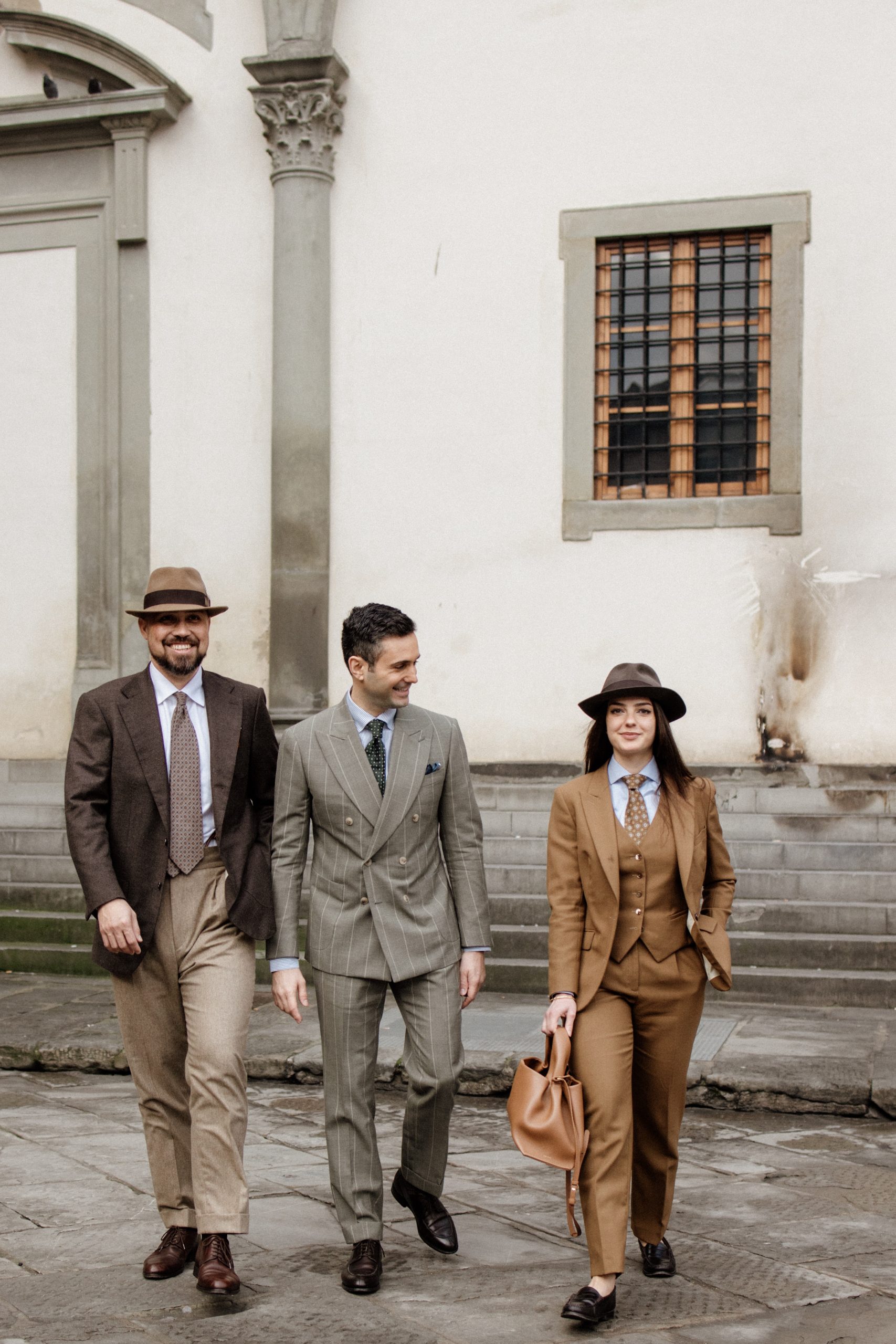
Today, we need to coin a term—“sartorial”—to describe an approach that figures like Steve McQueen, Roger Moore, and Philippe Noiret embraced quite naturally. In their day, it was neither a theoretical concept nor a subculture, but simply an obvious appreciation for beautiful things, rooted in the customs of the time.
These men weren’t seeking to set trends; they simply wore their own clothes, chosen from their tailors, both in everyday life and on screen. With the gradual disappearance of this everyday culture, the term “sartorial” has become a necessary reference point for rediscovering and reclaiming this way of life.
In the past, the so-called tailored wardrobe was a matter of practical necessity and elegant etiquette: people dressed with care out of respect for themselves and others, without feeling the need to theorize about their approach.
Today, the term “sartorial” has become a label, a subculture that people flaunt almost like a tattoo or a sign of generational belonging. In an era saturated with posturing, the approach has sometimes been reversed: people adopt codes to display an identity, at the risk of confusing the superficial veneer of a trend with the authenticity of a style.
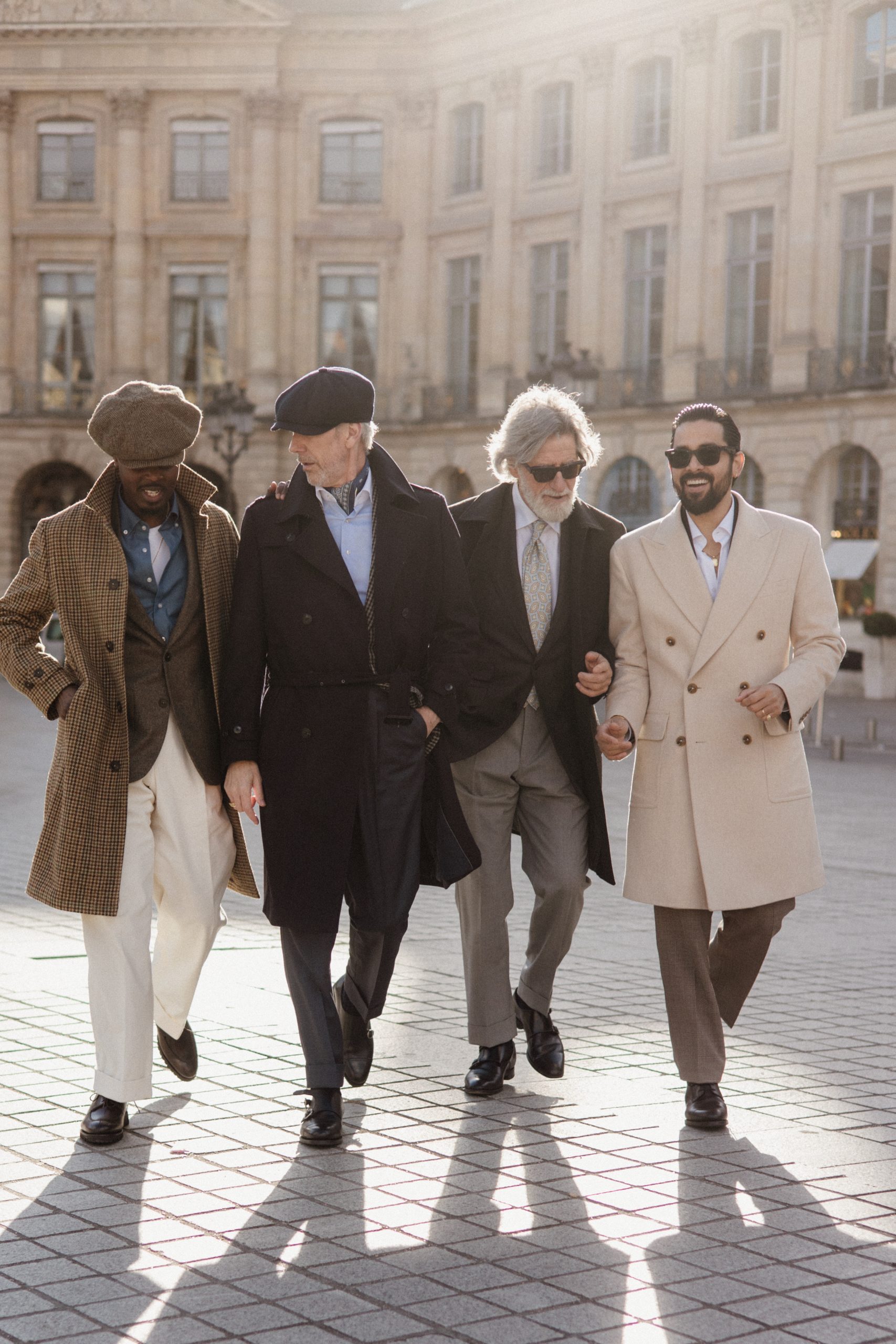
Author : @romain.pizzanelli