06/10/2026
Bespoke suits in La Rochelle
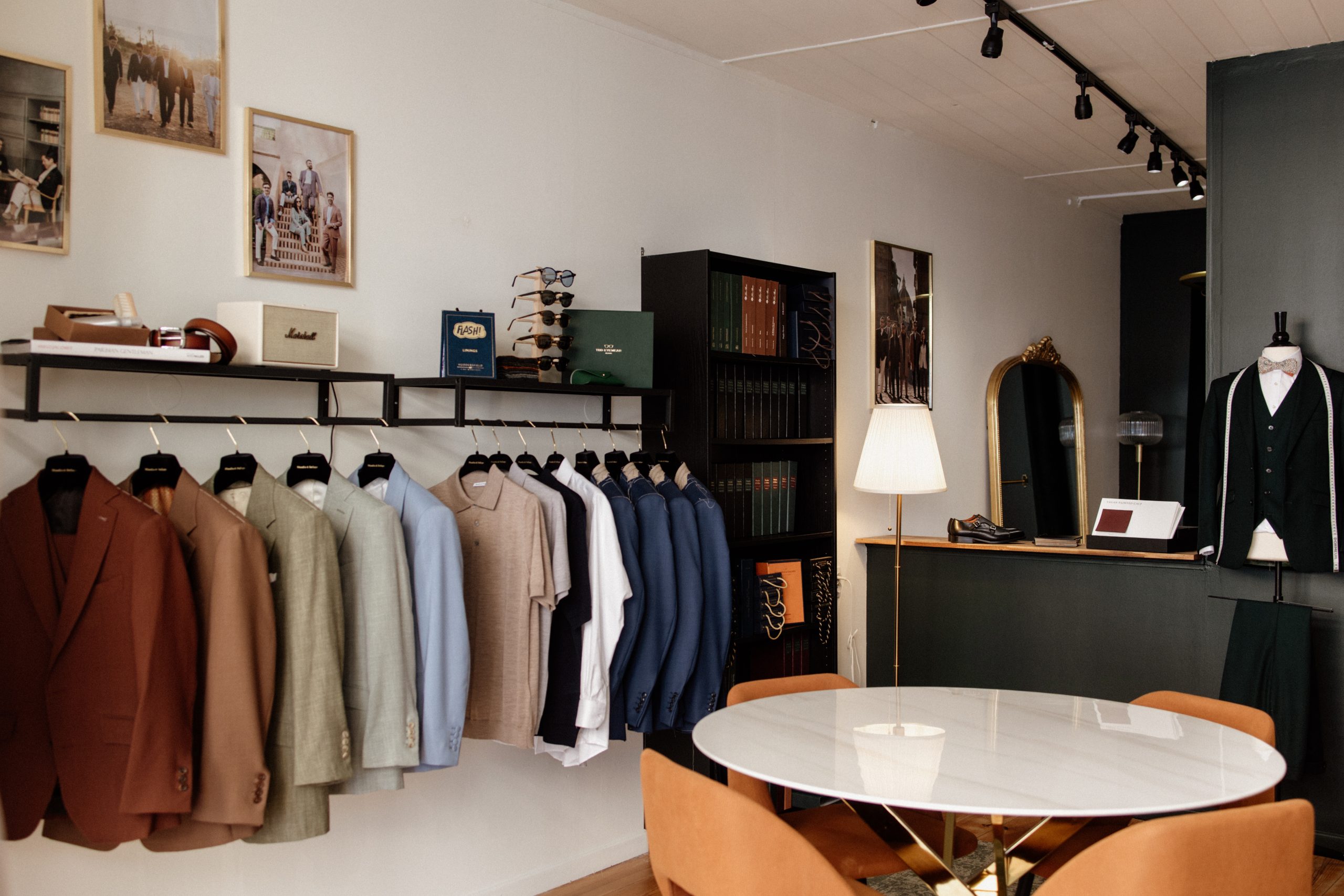
Look out for the new Blandin & Delloye boutique opening soon in La Rochelle: bespoke suits and a private showroom…

Building a cohesive men’s wardrobe is therefore not simply a matter of accumulating the right pieces. Rather, it is about understanding what one really needs, choosing garments that work well together, and gradually building a wardrobe that suits one’s everyday life.
At Blandin & Delloye, this way of thinking is a natural part of our approach to men’s clothing. Bespoke tailoring does not begin with a fabric or a cut: it begins with listening to, understanding and taking into account the needs of the person who will be wearing the garment.
So, where do you start?
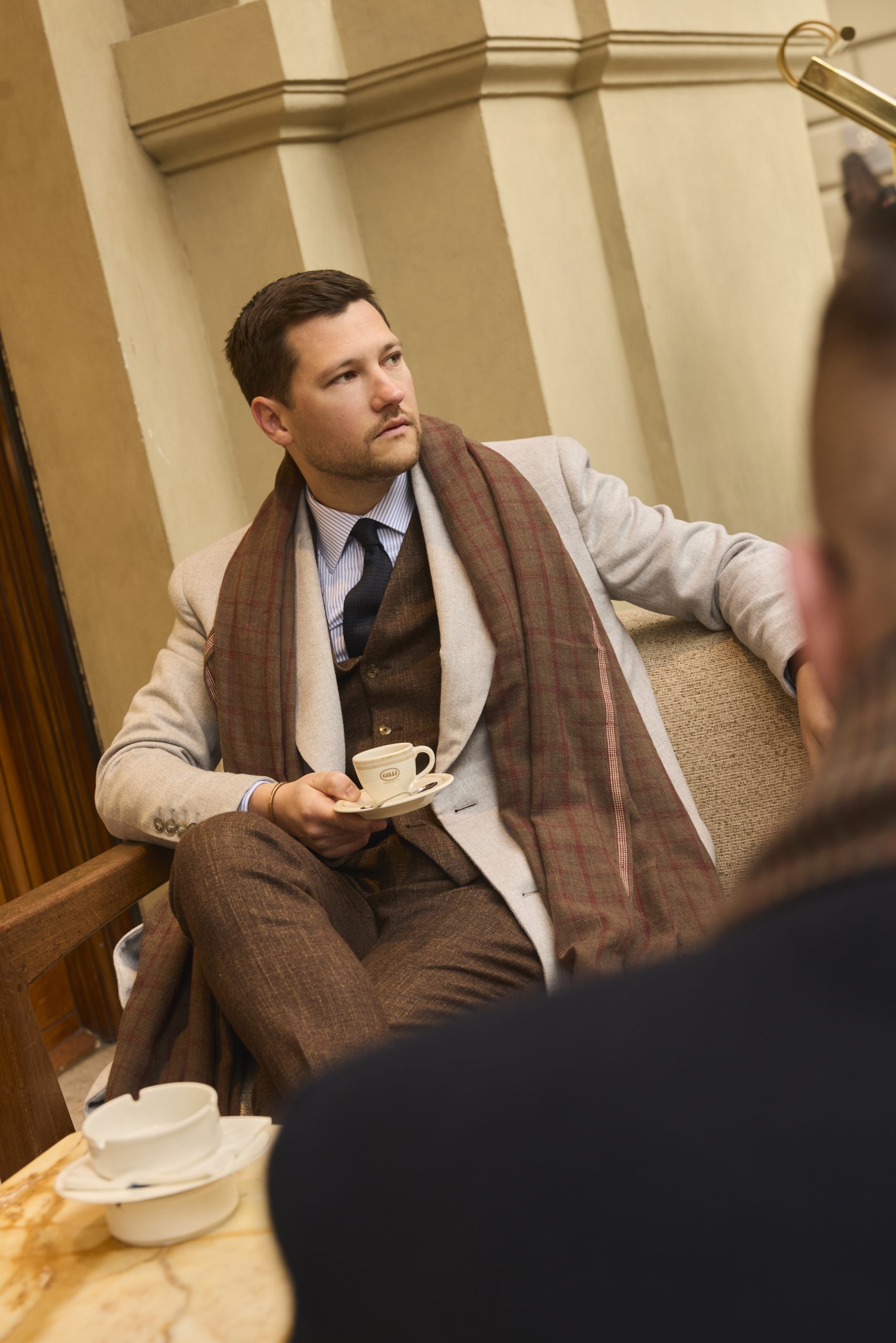
Before thinking about the clothes you should own, you need to start by looking at the ones you actually wear.
Do you wear a suit several days a week? Do you need smart outfits for business meetings, but also more casual looks for the rest of the time? Do you work from home? Do you go out regularly? Do you travel a lot? Do you live by the sea or in a region with particularly distinct seasons?
All these questions are important.
A practical wardrobe is, first and foremost, one that’s suited to your environment. There’s no universal list of essential items that would work the same way for every man.
The real starting point, therefore, is to identify the situations your wardrobe needs to cater for.
A man who wears a suit four days a week will not have the same priorities as an entrepreneur who alternates between meetings, business trips and more informal days. Similarly, someone living in the South-West won’t necessarily have the same needs when it comes to jackets, coats or fabrics as someone who works in Paris every day in the middle of winter.
The right men’s wardrobe isn’t the one that ticks all the boxes. It’s the one that fits your life perfectly.
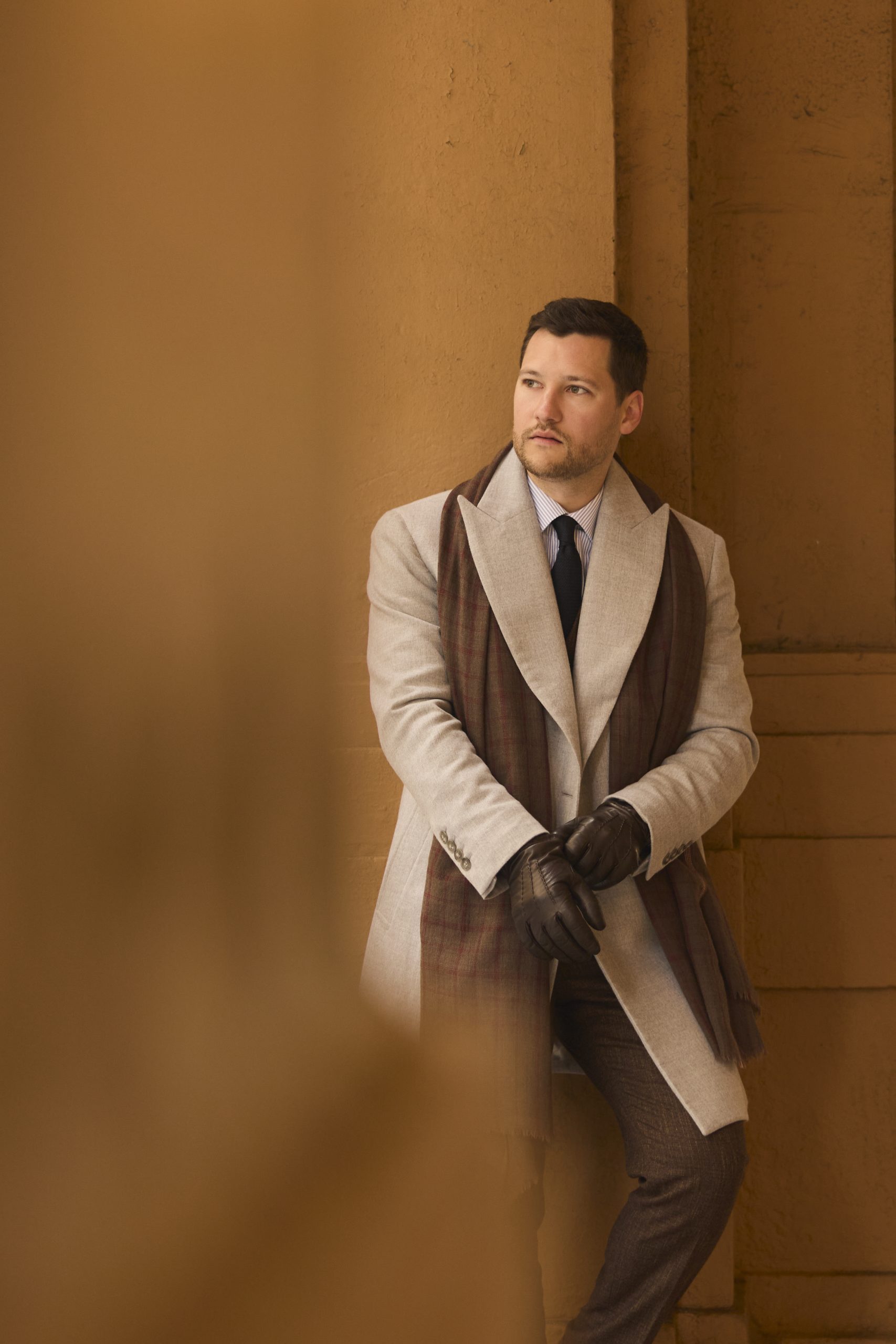
Before buying anything, taking a look through your own wardrobe can be particularly enlightening.
Which items do you actually wear? Which ones do you keep coming back to? Which ones hang there for months on end? Do certain colours crop up time and time again? Are some items difficult to pair with other clothes?
This quick stock-take often reveals a simple truth: the problem isn’t always a lack of clothes.
It may be a lack of cohesion.
Sometimes you have three jackets but no trousers that really go with them. Several shirts, but few ways to wear them other than with a suit. A lovely pair of shoes, but no outfit that allows you to incorporate them naturally into your everyday look.
That’s when it becomes worthwhile to stop looking at clothes individually.
You need to start looking at your wardrobe as a whole.
A smart wardrobe is built on pieces that complement one another.
A jacket shouldn’t necessarily be thought of solely in terms of the trousers it was bought with. It can work with woollen trousers, chinos or jeans. Flannel trousers can be paired with a mismatched jacket, a jumper or a shirt. A suit can be worn as a set, but the jacket or trousers can also be used to create other outfits.
This versatility is particularly useful when gradually building up your wardrobe.
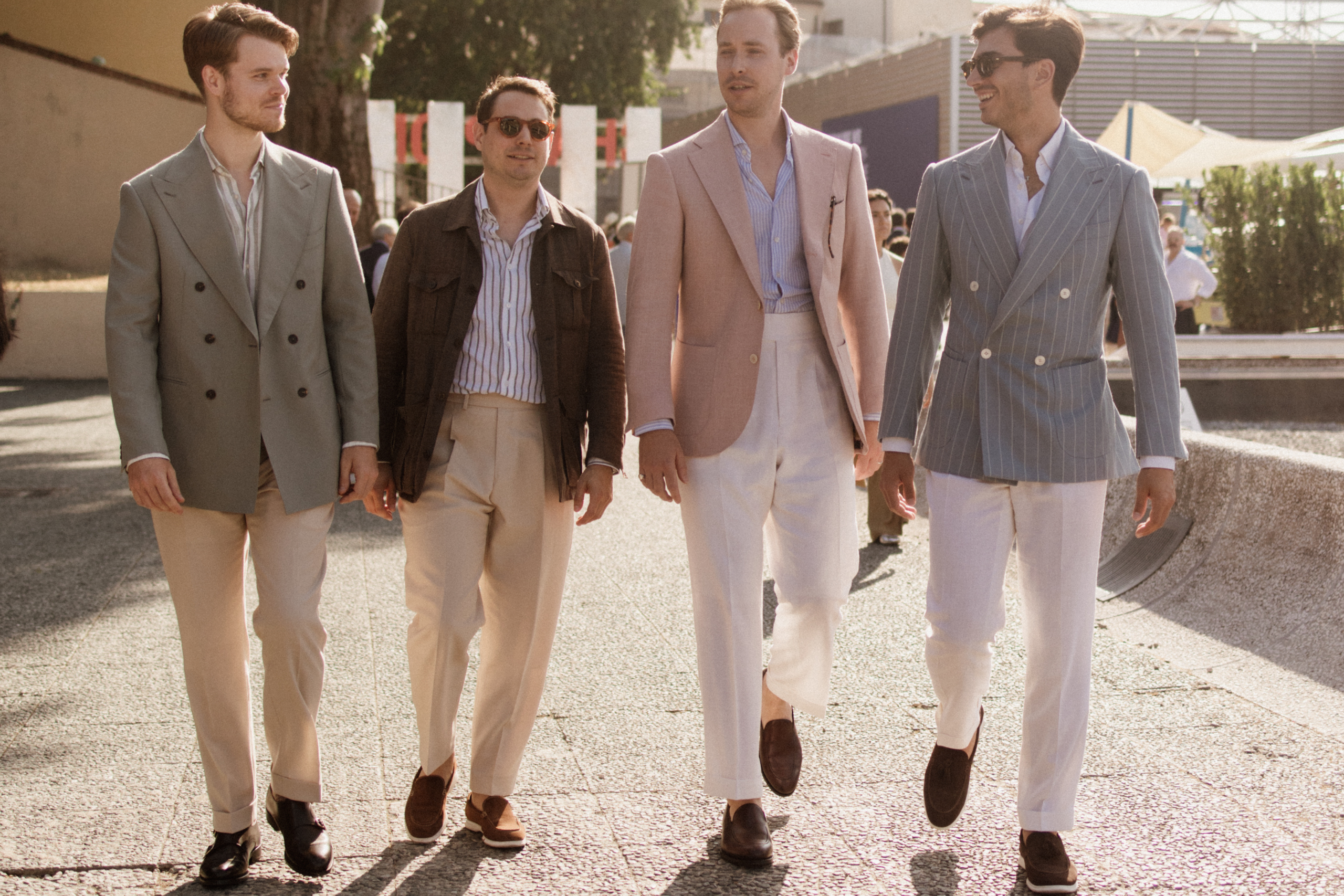
Take a well-cut navy blue jacket, for example. It can be paired with grey trousers, beige trousers, raw denim or even white trousers, depending on the season. The same garment then takes on a completely different look depending on how it’s styled.
Conversely, a very specific item, however beautiful it may be, will have a much more limited use if it only works with a single item in your wardrobe.
The value of a garment is not measured solely by its quality, but also by the number of different looks it can create in your wardrobe.
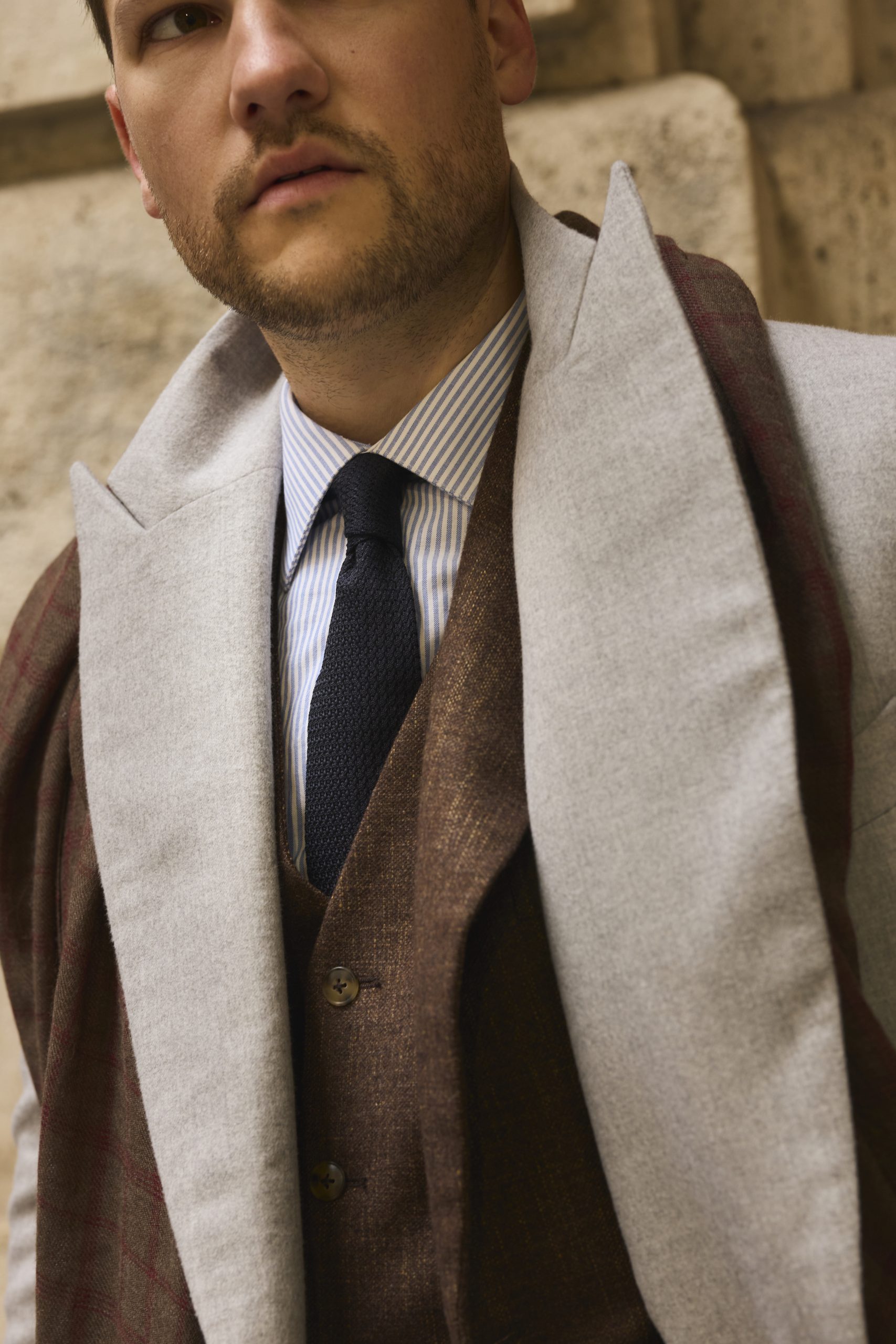
This is probably one of the most useful changes you can make if you want to dress better.
Instead of asking yourself, ‘What do I need?’, it might be more helpful to ask, ‘What silhouettes would I like to be able to wear?’
A summer look might combine a light jacket, light-coloured trousers and a polo shirt.
A back-to-school outfit could feature the same jacket with more textured trousers and a fine-knit jumper.
In winter, the look will change again to include a coat, a more structured jacket and warmer fabrics.
The garments remain the same, but the context changes.
This is also what helps avoid the ‘uniform’ effect. Building a cohesive wardrobe doesn’t mean constantly wearing the same combinations. On the contrary, a good foundation allows you to maximise your options without increasing the number of items you own.
A man’s wardrobe doesn’t need to consist entirely of classic pieces.
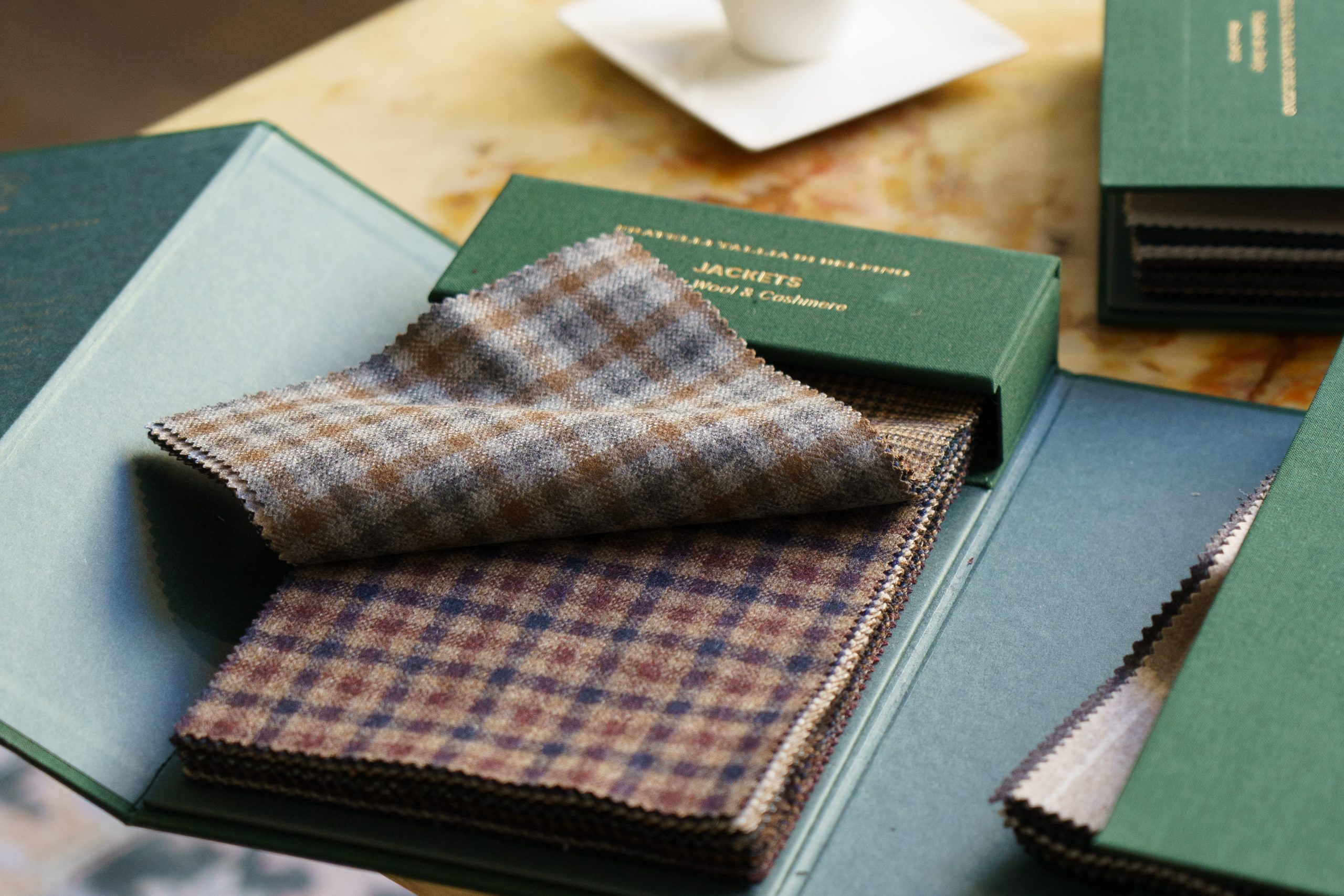
Timeless pieces form a solid foundation, but personality is often found in the details: a colour, a texture, a pattern, a cut, a pair of shoes or a bolder piece.
It’s with this in mind that I like to work according to a simple rule: 80 per cent timeless, cohesive pieces, 20 per cent more statement pieces – whether seasonal or simply chosen for the sheer pleasure of it.
It’s an approach I also explore through Carnet d’Yves, where I share my thoughts on men’s style, fabrics and building a personal wardrobe.
The 80 per cent forms the foundation of the wardrobe. These are pieces that are easy to mix and match, versatile enough to be worn in different settings, and capable of standing the test of time without losing their relevance.
The remaining 20 per cent are there to add personality. A colour one might not necessarily have dared to wear, a particular fabric, a pattern, a seasonal piece or simply an item of clothing one loves enough to want to wear it.
The aim is certainly not to make your wardrobe monotonous. Quite the opposite, in fact.
A coherent foundation allows for greater freedom. When the majority of your pieces work naturally together, it becomes much easier to introduce a checked jacket, a pair of corduroy trousers, a colourful jumper or a smart tie without feeling that every new purchase means you have to rebuild your entire wardrobe.
The 80 per cent provide consistency. The 20 per cent provide character.
And it is often in this balance that something more interesting than simply a well-stocked wardrobe begins to emerge: a personal style.

Building a smart men’s wardrobe also involves thinking about how you spend your budget.
Not every item needs to be treated in the same way.
A jacket worn several times a week naturally deserves more attention than an item intended for just a few occasions. A pair of shoes you wear regularly, a nice pair of trousers or a versatile suit can become real staples of your wardrobe.
The aim, therefore, isn’t necessarily to buy everything at a higher price.
Rather, it’s about identifying the items worth investing in.
A fine fabric, a well-fitting cut, solid construction and, above all, a garment you enjoy wearing regularly will often hold more value in the long run than a purchase made simply because it is fashionable.
The best garment is rarely the one that seemed indispensable when you bought it.
It’s the one you still want to wear several years later.
A well-thought-out men’s wardrobe is never quite finished.
The seasons bring changes in fabrics, colours and needs. A linen or fresco jacket won’t serve the same purpose as a woollen coat. A lightweight jumper can extend certain summer looks as the temperatures start to drop. A pair of flannel trousers will naturally come into their own as winter sets in.
It is precisely this seasonal evolution that brings a wardrobe to life.
There’s no need to completely overhaul your wardrobe with every change of season. A few well-chosen pieces can be enough to update your existing looks.
It’s also an excellent way to avoid the trap of constantly buying new clothes.
Instead of starting from scratch four times a year, you gradually build on an already solid foundation.
Ultimately, building a cohesive men’s wardrobe isn’t about quantity.
Nor is it a competition to own all the ‘essentials’ regularly featured in magazines.
It’s a question of coherence.
Understanding your lifestyle. Taking stock of what you already own. Identifying the real gaps. Choosing pieces that work well together. Finding the right balance between timeless style and personal flair. Then gradually evolving the whole collection as the seasons and years go by.
The aim is quite simple: to open your wardrobe and feel like getting dressed, without having to spend twenty minutes thinking about what goes with what.
That is probably, at heart, what a smart wardrobe is all about.
A wardrobe that doesn’t impose any extra constraints on you, but gives you greater freedom.
Author: @yves_dron